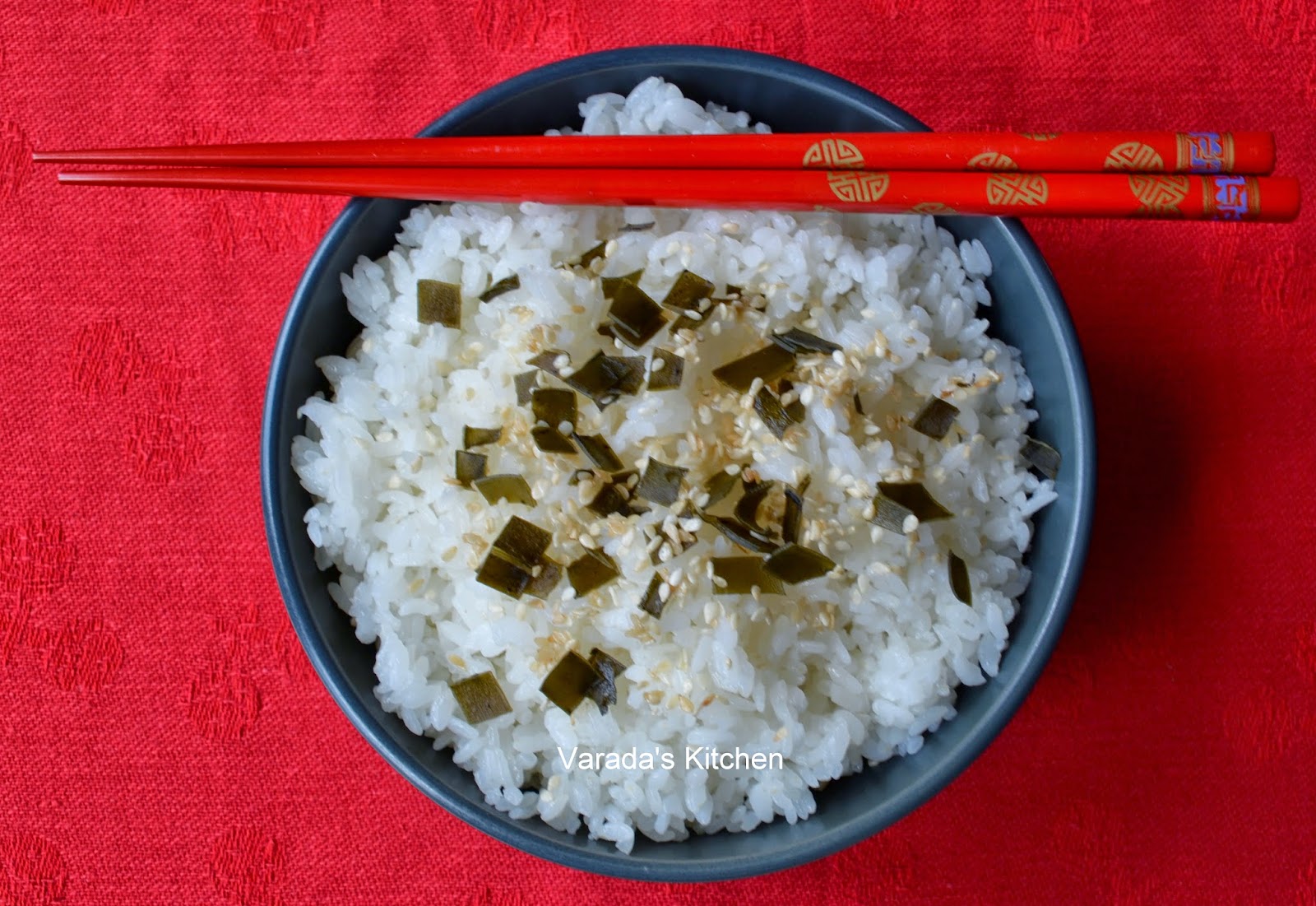
How is Dal rice in the instant pot any different from the stove top version? There is not a lot of difference in taste. It is the method that is simplified. You start in the saute mode with phodni/tempering. Next you add chopped vegetables, spices etc. Finally the dal and water. You can put a pot in the pot (PIP) to cook the rice. Close the lid and let it cook for 15-8 minutes. You don't have to watch it. When it is done the pressure comes down and you can switch it off. This freedom makes the instant pot perfect for weekday morning.
When my daughter came home for summer she wanted Indian food. That was a surprise because when she was home she craved all types of food. She prefers rice to poli so I made dal rice more often than I normally would.
Dal rice combination is one of the most popular combinations in Indian cuisine. Together it is a complete protein and there is an endless variety of dal preparations.
You will need
1 cup toor dal
1 tsp oil (I use olive oil)
1 tsp mustard seeds
1/4 tsp asafoetida
1 tsp turmeric powder
1 tsp rasam powder
1/2 onion optional
1 carrot diced
1 green bell pepper diced
1 tomato
For the rice
1 cup rice
1 1/4 cup water
Wash and soak the toor dal and keep aside for at least 15 minutes. In a utensil that will fir into your IP, wash and soak the rice. Keep aside.
Add oil to the IP inner pot and power it up on saute mode. Add the mustard seeds. When they sizzle add the asafoetida and turmeric powder. Next add the onion and saute for a minute or two. Add the rest of the vegetables and the rasam powder. Saute for a minute.
Drain the toor dal and add it to pot.
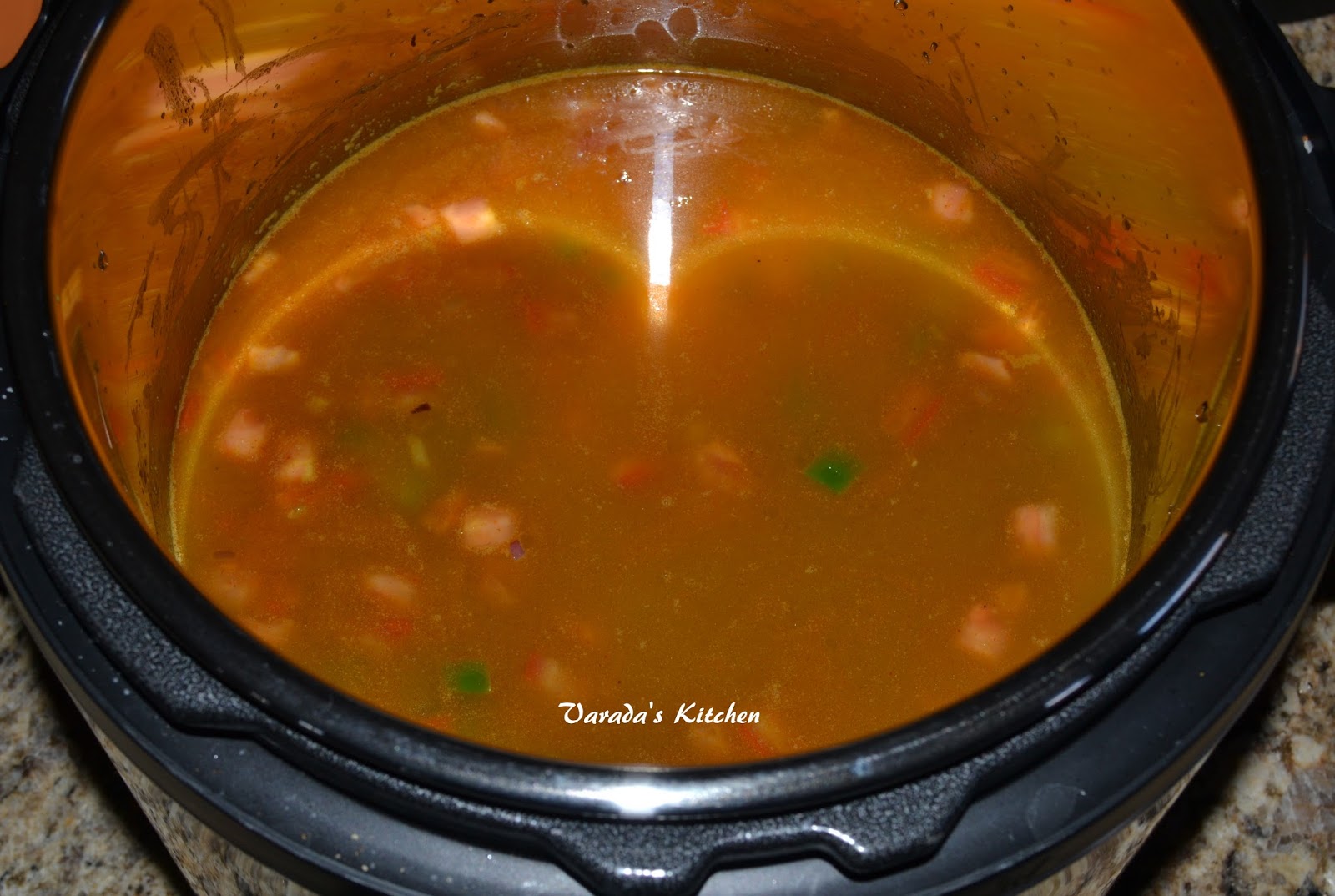
Add 2 1/2 cups of water. Insert the IP stand and place the rice container on it.
Switch off the IP and restart in manual mode. Put on the lid and ensure the pressure valve is closed. Set for 16 minutes. When done let the pressure come down naturally. Dal rice is done.
Enjoy!
Showing posts with label Rice. Show all posts
Wednesday, October 4, 2017
Sunday, June 26, 2016
Puliyodharai
All of the rice preparations, this is one of my favorites. It brings back childhood memories that I have never been able to place. But it always gives me a warm fuzzy feeling. The tangy flavors of tamarind with the spices makes this rice delicious. When I saw this post by Valli who blogs at Cooking 4 all seasons, I had to try it.
I stayed true to the recipe except I toned down the heat. It was delicious and everyone loved it. I have made this version several times and it will be my go to version in the future.
You will need
For the spice powder
1/2 tsp oil
1 tbsp. urad dal
2 tbsp. channa dal
1 dry red chili pepper
1 tsp. black pepper, whole
1/2 tsp. fenugreek seeds
1/2 tsp. cumin seeds
For the tamarind paste
2 tsp. oil
1 tsp. urad dal
1 tsp. mustard seeds
1/2 tsp. cumin seeds
1 red chili pepper
1 tsp. channa dal
1/4 tsp. fenugreek seeds
1/4 tsp. asafoetida
3-4 curry leaves
handful of cashews
2 tsp. peanuts
1 tbsp. tamarind extract
1/2 tsp. turmeric powder
salt to taste
For the rice
2 cups brown rice
2 tsp. fresh ground black pepper
1 tbsp. oil
Wash the rice and drain the water. Keep aside for 15 minutes. Add 4 cups of water to the rice and bring to a boil. Cover and lower the heat to medium. Cook for about 15 minutes or until the water has evaporated and the rice is cooked through. Turn off the heat.
While the rice is cooking heat another pan for the spice powder. Add the oil and roast the ingredients for the spice powder. Turn off the heat and spices cool. Grind to a fine powder and keep aside until needed.
Next prepare the tamarind paste. Heat the oil in a pan. Add the remaining ingredients except the last three on the list. When they sizzle add the tamarind extract, 1 cup of water, the turmeric powder and salt. Bring to a boil and lower the heat. Allow the mixture to thicken. Turn off the heat and allow it to cool.
To put it all together, add fresh ground black pepper, oil and the tamarind paste to the cooked rice.
Enjoy!
I stayed true to the recipe except I toned down the heat. It was delicious and everyone loved it. I have made this version several times and it will be my go to version in the future.
You will need
For the spice powder
1/2 tsp oil
1 tbsp. urad dal
2 tbsp. channa dal
1 dry red chili pepper
1 tsp. black pepper, whole
1/2 tsp. fenugreek seeds
1/2 tsp. cumin seeds
For the tamarind paste
2 tsp. oil
1 tsp. urad dal
1 tsp. mustard seeds
1/2 tsp. cumin seeds
1 red chili pepper
1 tsp. channa dal
1/4 tsp. fenugreek seeds
1/4 tsp. asafoetida
3-4 curry leaves
handful of cashews
2 tsp. peanuts
1 tbsp. tamarind extract
1/2 tsp. turmeric powder
salt to taste
For the rice
2 cups brown rice
2 tsp. fresh ground black pepper
1 tbsp. oil
Wash the rice and drain the water. Keep aside for 15 minutes. Add 4 cups of water to the rice and bring to a boil. Cover and lower the heat to medium. Cook for about 15 minutes or until the water has evaporated and the rice is cooked through. Turn off the heat.
While the rice is cooking heat another pan for the spice powder. Add the oil and roast the ingredients for the spice powder. Turn off the heat and spices cool. Grind to a fine powder and keep aside until needed.
Next prepare the tamarind paste. Heat the oil in a pan. Add the remaining ingredients except the last three on the list. When they sizzle add the tamarind extract, 1 cup of water, the turmeric powder and salt. Bring to a boil and lower the heat. Allow the mixture to thicken. Turn off the heat and allow it to cool.
To put it all together, add fresh ground black pepper, oil and the tamarind paste to the cooked rice.
Enjoy!
Wednesday, May 25, 2016
Masale Bhaat
Masale bhaat is a special preparation with spices and vegetables. It reminds me of weddings as it is usually served as the first course in weddings. I made this rice when my daughter was visiting and she made several trips to the kitchen to find out what was cooking. It takes a while to get this done but the end result is so worth it.
Several years back we stopped buying white rice. Today, I cook with every type of rice but white. I considered making an exception for this post but then decided against it. Once you make the switch, white rice tastes like junk food. I stuck with the brown rice and I am glad I did.
You will need
1 cup rice (preferably basmati)
2 small potatoes, diced in cubes
1/2 cup green peas
1/2 cauliflower florets
1 Serrano pepper, deseeded and diced fine
10-15 peanuts
1 tsp. garam masala
1/2 tsp. cayenne pepper powder
All of the spice blend given below
salt to taste
For the spice blend
2 tsp. coriander seeds
1 tsp. cumin seeds
3 cloves
1/2 inch cinnamon
For the tempering
3 tbsp. oil
1 tsp. mustard seeds
1 tsp. cumin seeds
1/2 tsp. turmeric powder
a pinch asafeotida
1 bay leaf, cut into inch pieces
4-5 curry leaves
Wash the rice and drain the water. Keep aside. In a small pan, roast the spices for the spice blend. Grind to a powder and keep aside until needed.
Heat oil in a large heavy bottom pan. Add the mustard seeds. When they crackle add the remaining ingredients in the list for tempering.
Next add vegetables, the potatoes, peas and cauliflower, with 2 1/2 cups of water.
When the water comes to a boil add the peanuts, chilli pepper, salt and all the spices.
Next add the drained rice
Cover and allow it to cook for 10-15 minutes on medium heat until all the water is gone and the rice is cooked through.
Turn off the heat. Rice tastes best when hot. Serve with vegetables sides or with papad and pickle.
Enjoy!
Several years back we stopped buying white rice. Today, I cook with every type of rice but white. I considered making an exception for this post but then decided against it. Once you make the switch, white rice tastes like junk food. I stuck with the brown rice and I am glad I did.
You will need
1 cup rice (preferably basmati)
2 small potatoes, diced in cubes
1/2 cup green peas
1/2 cauliflower florets
1 Serrano pepper, deseeded and diced fine
10-15 peanuts
1 tsp. garam masala
1/2 tsp. cayenne pepper powder
All of the spice blend given below
salt to taste
For the spice blend
2 tsp. coriander seeds
1 tsp. cumin seeds
3 cloves
1/2 inch cinnamon
For the tempering
3 tbsp. oil
1 tsp. mustard seeds
1 tsp. cumin seeds
1/2 tsp. turmeric powder
a pinch asafeotida
1 bay leaf, cut into inch pieces
4-5 curry leaves
Wash the rice and drain the water. Keep aside. In a small pan, roast the spices for the spice blend. Grind to a powder and keep aside until needed.
Heat oil in a large heavy bottom pan. Add the mustard seeds. When they crackle add the remaining ingredients in the list for tempering.
Next add vegetables, the potatoes, peas and cauliflower, with 2 1/2 cups of water.
When the water comes to a boil add the peanuts, chilli pepper, salt and all the spices.
Next add the drained rice
Cover and allow it to cook for 10-15 minutes on medium heat until all the water is gone and the rice is cooked through.
Turn off the heat. Rice tastes best when hot. Serve with vegetables sides or with papad and pickle.
Enjoy!
Tuesday, September 23, 2014
Bulgur Pilav (Pilaf)
I love the taste of bulgur and this pilav is no exception. It is flavored with red pepper paste and banana pepper along with other known flavoring ingredients. The pilav has a lovely taste and this is one of the more flavorful dishes I have made.
I made this dish as part of a Turkish meal. It was supposed to be a side dish in a meal dominated by Turkish pizza or pida. But the flavor of this dish won us over. It could easily work as a weekday lunch all by itself.
Recipe adapted from here
You will need
1 cup coarse bulgur
3 tbsp. olive oil
1/2 red onion
1 green bell pepper
1 banana pepper
2 tbsp. red pepper paste
2 tbsp. tomato paste
2 medium tomatoes
1 tsp. paprika (adjust to taste)
1 tsp. black pepper
2-3 mint leaves
salt to taste
1 1/2 cup water
Wash the bulgur, drain the water and keep aside. Dice the onion, green bell pepper and banana pepper separately. Chop the tomatoes. Julienne the mint leaves.
Heat oil in a pan and add the onion. When tender add the red pepper paste and tomato paste. Saute for a couple of minutes and add the tomatoes. When they are cooked through add the green bell pepper, banana pepper, black pepper, paprika, mint leaves, bulgur and water. Add salt to taste and adjust seasoning with paprika and black pepper.
Bring to a boil. Lower the heat, cover and let it cook for about 15 minutes or until the bulgur is completely cooked through. At this stage all the water should be absorbed. Turn off heat. Cover with a kitchen towel and place lid over the towel. Leave it aside for 10-15 minutes before serving.
I made this dish as part of a Turkish meal. It was supposed to be a side dish in a meal dominated by Turkish pizza or pida. But the flavor of this dish won us over. It could easily work as a weekday lunch all by itself.
Recipe adapted from here
You will need
1 cup coarse bulgur
3 tbsp. olive oil
1/2 red onion
1 green bell pepper
1 banana pepper
2 tbsp. red pepper paste
2 tbsp. tomato paste
2 medium tomatoes
1 tsp. paprika (adjust to taste)
1 tsp. black pepper
2-3 mint leaves
salt to taste
1 1/2 cup water
Wash the bulgur, drain the water and keep aside. Dice the onion, green bell pepper and banana pepper separately. Chop the tomatoes. Julienne the mint leaves.
Heat oil in a pan and add the onion. When tender add the red pepper paste and tomato paste. Saute for a couple of minutes and add the tomatoes. When they are cooked through add the green bell pepper, banana pepper, black pepper, paprika, mint leaves, bulgur and water. Add salt to taste and adjust seasoning with paprika and black pepper.
Bring to a boil. Lower the heat, cover and let it cook for about 15 minutes or until the bulgur is completely cooked through. At this stage all the water should be absorbed. Turn off heat. Cover with a kitchen towel and place lid over the towel. Leave it aside for 10-15 minutes before serving.
Monday, September 15, 2014
Mexican Tomato Rice
Mexican tomato rice is fluffy long grain rice flavored with spices and tomato. This is a simple version where tomatoes are pureed and added to the rice water along with garlic and some spices. The resultant rice is colorful and full of flavor. Usually rice and beans are part of a Mexican meal.
You will need
1 cup long grain rice (I used brown basmati rice)
1 medium tomato
2 tbsp. onion
1 jalapeno
2 garlic cloves
2 tbsp. olive oil
2 cups vegetable stock
a few springs cilantro
salt to taste
Wash and rinse the rice and keep aside. Since I used brown rice I first soaked the rice for half an hour. Puree the tomato and onion. Mince the jalapeno and garlic. Heat oil in a pan. Add the jalapeno and garlic. When fragrant add the rice. Roast the rice until it turns color.
Add the tomato puree and stock. Add salt to taste.
Bring to a boil, lower to a simmer and cook covered until done. Turn off the heat. Let it sit in its steam for a couple of minutes.
You will need
1 cup long grain rice (I used brown basmati rice)
1 medium tomato
2 tbsp. onion
1 jalapeno
2 garlic cloves
2 tbsp. olive oil
2 cups vegetable stock
a few springs cilantro
salt to taste
Wash and rinse the rice and keep aside. Since I used brown rice I first soaked the rice for half an hour. Puree the tomato and onion. Mince the jalapeno and garlic. Heat oil in a pan. Add the jalapeno and garlic. When fragrant add the rice. Roast the rice until it turns color.
Add the tomato puree and stock. Add salt to taste.
Bring to a boil, lower to a simmer and cook covered until done. Turn off the heat. Let it sit in its steam for a couple of minutes.
The rice is done.
Friday, September 12, 2014
Kenyan Pulao
A simple rice dish made with basmati rice. Whole spices are roasted in oil until the oil is fragrant. The rice is then cooked in this spice infused oil. The resulting rice has a lovely aroma of the spices.
As always I used brown basmati rice. We have eliminated white rice from our house years ago. My daughter the only member of the family who loves rice prefers rice to be super soft rather than fluffy. So I tend to make it the way she likes it.
Recipe adapted from here
You will need
1 cup basmati rice
1 tbsp. olive oil
4-5 cloves
1 inch cinnamon
2-3 cardamom pods
4-5 peppercorns
1/4 cup onion, diced
2 cups water (I used some of the water in which the beans and corn had been cooked for Githeri)
Rinse the rice thoroughly and soak it in water for 20-30 minutes. Drain the water and keep aside.
Heat oil in a pan and add the spices. Let them sit in the hot oil for a minute or two. Add the onion and saute until the onion is translucent. Add the drained rice and roast for a couple minutes until the rice starts changing color. Add the water and bring it to a boil.
Cover, lower heat and let the rice cook for 15-17 minutes. Turn off heat and let it rest for another 5-10 minutes. The rice is ready to eat.
As always I used brown basmati rice. We have eliminated white rice from our house years ago. My daughter the only member of the family who loves rice prefers rice to be super soft rather than fluffy. So I tend to make it the way she likes it.
Recipe adapted from here
You will need
1 cup basmati rice
1 tbsp. olive oil
4-5 cloves
1 inch cinnamon
2-3 cardamom pods
4-5 peppercorns
1/4 cup onion, diced
2 cups water (I used some of the water in which the beans and corn had been cooked for Githeri)
Rinse the rice thoroughly and soak it in water for 20-30 minutes. Drain the water and keep aside.
Heat oil in a pan and add the spices. Let them sit in the hot oil for a minute or two. Add the onion and saute until the onion is translucent. Add the drained rice and roast for a couple minutes until the rice starts changing color. Add the water and bring it to a boil.
Cover, lower heat and let the rice cook for 15-17 minutes. Turn off heat and let it rest for another 5-10 minutes. The rice is ready to eat.
Thursday, September 11, 2014
Gohan with Furrikake (Sticky Rice with Kelp topping)
Sticky rice is a staple in Japanese meals. I bought Japanese sushi rice from Whole Foods. Since it is sold in bulk I was able to buy a small quantity of 1 cup. The furrikake is made with kelp leaves with which dashi or stock has been prepared. This used kelp does not have a bitter or overpowering taste but it does smell of the sea.
This recipe serves two people.
Recipe adapted from here
For the Gohan
1 cup Japanese short grain rice (sushi rice)
Recipe adapted from here
For the Furrikake
1 tbsp. sesame seeds
1 sheet kombu (Kelp) that was used to make dashi
1 tsp. soy sauce
1 tsp. sugar
Washing and cooking rice the right way is a big deal when rice is the staple. To wash rice the Japanese way watch this video. I followed it to a T. In fact I now wash every grain and bean the same way.
Put the washed rice in a pan with a little over a cup of water.
Keep aside for an hour. The rice turns an opaque color.
Cover the pan and put it on high heat to bring the water to a boil. Lower the heat and let the rice cook for about 5 minutes. When the water is all gone turn off heat. Using a rice paddle or a wooden spoon turn the rice over in the pan. Cover and steam for another 5 minutes without heat.
The rice is ready. Mix all the ingredients for furrikake in a separate bowl and sprinkle it over the bowl of rice. Serve with Japanese side dishes.
This recipe serves two people.
Recipe adapted from here
For the Gohan
1 cup Japanese short grain rice (sushi rice)
Recipe adapted from here
For the Furrikake
1 tbsp. sesame seeds
1 sheet kombu (Kelp) that was used to make dashi
1 tsp. soy sauce
1 tsp. sugar
Washing and cooking rice the right way is a big deal when rice is the staple. To wash rice the Japanese way watch this video. I followed it to a T. In fact I now wash every grain and bean the same way.
Put the washed rice in a pan with a little over a cup of water.
Keep aside for an hour. The rice turns an opaque color.
Cover the pan and put it on high heat to bring the water to a boil. Lower the heat and let the rice cook for about 5 minutes. When the water is all gone turn off heat. Using a rice paddle or a wooden spoon turn the rice over in the pan. Cover and steam for another 5 minutes without heat.
The rice is ready. Mix all the ingredients for furrikake in a separate bowl and sprinkle it over the bowl of rice. Serve with Japanese side dishes.
Wednesday, September 3, 2014
Wild Rice
Wild rice was eaten in north America long before the European settlers arrived. I have always loved this nutty flavored rice. I had never cooked it on its own before. I always created a rice blend with brown basmati rice. They both take a long time to cook so they can be paired together. I have to say the wild rice tasted very good on its own.
I make this rice occasionally mixed in with our regular basmati brown rice. Years ago when I made it for the first time my daughter, then 5, said it looked like little leeches. Not exactly the kind of description I want to hear when I am about to put something in my mouth. But she ate it without complaint. Since then it has been a part of our diet, though infrequently.
You will need
1 cup wild rice
3 cups water
1 tsp. black pepper
salt to taste
Here is a sample of what the grain looks like uncooked.
I make this rice occasionally mixed in with our regular basmati brown rice. Years ago when I made it for the first time my daughter, then 5, said it looked like little leeches. Not exactly the kind of description I want to hear when I am about to put something in my mouth. But she ate it without complaint. Since then it has been a part of our diet, though infrequently.
You will need
1 cup wild rice
3 cups water
1 tsp. black pepper
salt to taste
Here is a sample of what the grain looks like uncooked.
In a pan boil water with the wild rice. Add black pepper and salt to taste. Continue to cook the rice for the next 40-50 minutes. The rice grain will split open when it is cooked.
Turn off heat.
Tuesday, March 18, 2014
Methi Bhaat
Methi bhaat is a popular rice preparation from Karnataka. I got this recipe from a colleague in Bangalore when I worked there briefly years ago. Methi leaves are naturally flavorful enhancing the taste of this dish. It makes a great school lunch.
I made the methi bhaat with brown rice as that is all I have in my pantry. We stopped buying white rice years ago. Another change I made was the coconut. Normally the recipe calls for dry shredded coconut to be added to the masala. I did not have any dry coconut. I only had frozen fresh coconut so I left out the coconut from the masala and added fresh coconut directly to the pan when cooking the methi leaves.
You will need
a bunch methi leaves
1 cup brown rice
2 tbsp. olive oil
1 tsp. mustard seeds
1 tbsp. channa dal
1 tsp. ural dal
4-5 curry leaves
1 dried red chili powder (optional)
3 tbsp. fresh grated coconut (if using)
1/4 tsp. asafoetida
1 tsp. turmeric powder
salt to taste
For the masala
2 tbsp. bengal gram dal
1 tbsp. coriander seeds
1/2 dried red chili pepper
1 pod cardamom seeds
tiny piece cinnamon
1 tbsp. dry coconut flakes
a pinch asafoetida
Grind all the masala ingredients to a coarse powder. Store in an airtight container.
Wash the methi leaves to remove any dirt and chop them coarsely.
Cook the brown rice and let it cool.
Heat oil in a pan and add the mustard seeds, channa dal, ural dal, curry leaves and red chili powder. When the mustard seeds crackle add the asafoetida and turmeric powder. Add the methi leaves, the 3 tbsp. of fresh ground masala and grated coconut. (If you used dried coconut flakes in the masala leave the fresh coconut out.)
Cook the methi leaves until tender but not mushy. Season with salt. Add the cooked leaves to the cooled rice and mix it well.
Enjoy!
I made the methi bhaat with brown rice as that is all I have in my pantry. We stopped buying white rice years ago. Another change I made was the coconut. Normally the recipe calls for dry shredded coconut to be added to the masala. I did not have any dry coconut. I only had frozen fresh coconut so I left out the coconut from the masala and added fresh coconut directly to the pan when cooking the methi leaves.
You will need
a bunch methi leaves
1 cup brown rice
2 tbsp. olive oil
1 tsp. mustard seeds
1 tbsp. channa dal
1 tsp. ural dal
4-5 curry leaves
1 dried red chili powder (optional)
3 tbsp. fresh grated coconut (if using)
1/4 tsp. asafoetida
1 tsp. turmeric powder
salt to taste
For the masala
2 tbsp. bengal gram dal
1 tbsp. coriander seeds
1/2 dried red chili pepper
1 pod cardamom seeds
tiny piece cinnamon
1 tbsp. dry coconut flakes
a pinch asafoetida
Grind all the masala ingredients to a coarse powder. Store in an airtight container.
Wash the methi leaves to remove any dirt and chop them coarsely.
Cook the brown rice and let it cool.
Heat oil in a pan and add the mustard seeds, channa dal, ural dal, curry leaves and red chili powder. When the mustard seeds crackle add the asafoetida and turmeric powder. Add the methi leaves, the 3 tbsp. of fresh ground masala and grated coconut. (If you used dried coconut flakes in the masala leave the fresh coconut out.)
Cook the methi leaves until tender but not mushy. Season with salt. Add the cooked leaves to the cooled rice and mix it well.
Enjoy!
Friday, January 17, 2014
Phodnicha Bhaat
Phodnicha bhaat is made with leftover rice. It is a fairly common and delicious way to use leftovers. This recipe is very similar to something my mother used to make. I add frozen peas for added taste and nutrients.
You will need
2 cups leftover rice (white, brown or any other color with do)
1/2 cup frozen peas
1 tsp. mustard seeds
1/4 tsp. asafeotida
1 tsp. turmeric powder
4-5 curry leaves
1 tbsp. olive oil
Heat oil in a pan and add the mustard seeds. When they crackle add the curry leaves, asafoetida and turmeric powder. Add frozen unthawed peas. Let the peas cook completely.
Separate the grains of the leftover rice and add it to the pan. Season with salt and serve hot with yogurt or pickle.
You will need
2 cups leftover rice (white, brown or any other color with do)
1/2 cup frozen peas
1 tsp. mustard seeds
1/4 tsp. asafeotida
1 tsp. turmeric powder
4-5 curry leaves
1 tbsp. olive oil
Heat oil in a pan and add the mustard seeds. When they crackle add the curry leaves, asafoetida and turmeric powder. Add frozen unthawed peas. Let the peas cook completely.
Separate the grains of the leftover rice and add it to the pan. Season with salt and serve hot with yogurt or pickle.
Thursday, January 16, 2014
Cracked Wheat Khichadi
I had tried cooking cracked wheat a few times on the stove top but it took so long. And the result was unpredictable. A friend suggested the pressure cooker. My mother made khichadi in the pressure cooker so I decided to make cracked wheat khichadi. The end result was pretty good.
You will need
2 cups cracked wheat
1 onion, chopped
1 Serrano pepper, deseeded and minced
2 tomato, chopped
2 carrot, chopped
1 Russel potato, chopped
15-20 green beans, chopped
5-6 curry leaves
1 tsp. mustard seeds
1 tsp. asafoetida
1 tsp. turmeric powder
1 tsp. coriander cumin powder
1 tbsp. olive oil
Wash and drain the cracked wheat and keep aside.
Heat olive oil in a pan and add the mustard seeds. When they crackle add the curry leaves, asafoetida and turmeric powder. Next add the onion, Serrano pepper, carrots and potato and cook for about 5 minutes. Next add the tomatoes and the coriander cumin powder. Mix well.
Add the cracked wheat. Season with salt. Place in a pressure cooker.
You will need
2 cups cracked wheat
1 onion, chopped
1 Serrano pepper, deseeded and minced
2 tomato, chopped
2 carrot, chopped
1 Russel potato, chopped
15-20 green beans, chopped
5-6 curry leaves
1 tsp. mustard seeds
1 tsp. asafoetida
1 tsp. turmeric powder
1 tsp. coriander cumin powder
1 tbsp. olive oil
Wash and drain the cracked wheat and keep aside.
Heat olive oil in a pan and add the mustard seeds. When they crackle add the curry leaves, asafoetida and turmeric powder. Next add the onion, Serrano pepper, carrots and potato and cook for about 5 minutes. Next add the tomatoes and the coriander cumin powder. Mix well.
Add the cracked wheat. Season with salt. Place in a pressure cooker.
Cook for 10 minutes after the pressure has built up. This is equivalent to one whistle. Turn off heat and let the pressure drop.
Transfer the khichadi to a serving bowl and serve hot with pickle and papad.
Saturday, December 7, 2013
Khichadi with a twist (with Toor Dal)
After a long week at work I am always looking for quick fixing meals for the weekend. Khichadi was a favorite. And then a couple years ago we visited my sister and she made khichadi with puliogere masala. It was so yummy I don't make it any other way since.
I always used mung dal in my khichadi just like my mother did. Last year my sister-in-law visited us for a few days. She told me she uses toor dal in khichadi. It tastes very different from the mung dal khichadi. Now I do it either way.
Today I made the khichadi with toor dal and served it with hot kadhi and papad.
You will need
1 cup basmati rice
3/4 cup toor dal
1 cup peas (I used frozen, not thawed)
2 tbsp. olive oil
1 tsp. mustard seeds
1 tsp. turmeric powder
a pinch asafetida (hing)
1 tsp. tamarind paste
3 tbsp. puliogere masala (I use MTR)
1 tbsp. Madhava agave nectar (in place of sugar)
Wash the rice and dal. Drain the water and let it rest for 15 minutes.
Heat a large thick bottomed pan. Add the olive oil and mustard seeds. When the seeds begin to crackle add the asafetida and turmeric powder followed by the peas. Let them cook on medium heat for about 10 minutes.
Now add the puliogere masala, the nectar and the tamarind paste to the peas. Mix it well and let it cook for a few minutes.
Add the rice and dal mix to the peas. Add salt to taste. Increase the heat to high and let it sizzle a little.
Lower the heat to medium high. Add 6 cups of water and let it come to a boil.
When the rice begins to boil mix it through, lower the heat to medium, cover and let it cook covered for 25 minutes. No peaking!
After 25 minutes, check for presence of liquid in the rice, cover and cook for another 15 minutes. Take off cover and let it cook uncovered till all the water has evaporated. Toor dal takes longer to cook than mung dal and also needs more water.
I always used mung dal in my khichadi just like my mother did. Last year my sister-in-law visited us for a few days. She told me she uses toor dal in khichadi. It tastes very different from the mung dal khichadi. Now I do it either way.
Today I made the khichadi with toor dal and served it with hot kadhi and papad.
You will need
1 cup basmati rice
3/4 cup toor dal
1 cup peas (I used frozen, not thawed)
2 tbsp. olive oil
1 tsp. mustard seeds
1 tsp. turmeric powder
a pinch asafetida (hing)
1 tsp. tamarind paste
3 tbsp. puliogere masala (I use MTR)
1 tbsp. Madhava agave nectar (in place of sugar)
Wash the rice and dal. Drain the water and let it rest for 15 minutes.
Heat a large thick bottomed pan. Add the olive oil and mustard seeds. When the seeds begin to crackle add the asafetida and turmeric powder followed by the peas. Let them cook on medium heat for about 10 minutes.
Now add the puliogere masala, the nectar and the tamarind paste to the peas. Mix it well and let it cook for a few minutes.
Add the rice and dal mix to the peas. Add salt to taste. Increase the heat to high and let it sizzle a little.
Lower the heat to medium high. Add 6 cups of water and let it come to a boil.
When the rice begins to boil mix it through, lower the heat to medium, cover and let it cook covered for 25 minutes. No peaking!
After 25 minutes, check for presence of liquid in the rice, cover and cook for another 15 minutes. Take off cover and let it cook uncovered till all the water has evaporated. Toor dal takes longer to cook than mung dal and also needs more water.
Subscribe to:
Posts (Atom)