Showing posts with label Indian. Show all posts

Thursday, July 5, 2018

Kobi Wadi (Pressure cooked Cabbage cutlets)

Kobichi wadi is a Maharastrian preparation of cabbage. It is a very healthy dish with besan used as the binding agent. As is the norm with Maharastrian cooking this dish has a perfect combination of sweet, sour, spicy and savory. It is a nice alternative to cabbage bhaji. A few years back I made this recipe for the family. My daughter loved the flavors and announced this was her favorite cabbage preparation. I make it frequently and everyone loves it.


Two weeks back my daughter wanted to try coleslaw. So we added cabbage to our grocery list. The only cabbages available were large but we got one. When I did my weekly vegetable prep I shredded half  the cabbage and stored it in the refrigerator. She was supposed to make the coleslaw. Last week my daughter had a 12 hour shift on her very first summer job. She was exhausted and took it easy the rest of the week. This past Saturday morning I found the shredded cabbage was still waiting. I decided to use it up and make our favorite Kobi wadi.

You will need

For the cutlet
1 small cabbage, shredded
2 tsp. tamarind paste
2 tsp. sugar
2 tsp. ginger garlic paste
2 tsp. chili powder
2 tsp. cumin seeds
1 tsp. turmeric powder
2 cups besan
salt to taste
water as needed

For the tempering
1 tsp. mustard seeds
1/2 tsp. asafoetida
1 tsp. turmeric powder
1 tbsp. olive oil

Prep two pans that can be placed in the pressure cooker. Oil the bottom and sides of the pan. Keep aside.

Add all the ingredients for the cutlets in a bowl.


Mix it all together with about 1/4 cup of water. Add more water only if needed. It will be sticky.


Divide into two portions. Place one half in the first prepared pan and spread it evenly to cover the bottom of the pan. Repeat with the second half of the cabbage mixture in the second pan.

Pressure cook. 3 whistles if you have a pressure cooker that whistles. Mine does not so I leave it for 10 minutes on medium-high heat after placing the pressure on the cooker. Turn off heat and let the cooker depressurize. Remove the pans with the cooked cabbage and let them cool. Then cut the cutlets into cubes.


Heat oil in a flat bottom pan and add the mustard seeds. When the seeds start to crackle add asafoetida and turmeric powder. Now add the cooked cabbage cubes.


Cook till the cubes brown at the edges. Serve hot as part of a traditional meal or as a snack.


Enjoy!

Tuesday, July 3, 2018

Basic Kadhi

Kadhi is a simple common everyday recipe in India. It is one of those recipes where every family has their own version. This recipe is a Maharashtrian version, the way my mother made it. It is warm and comforting on a cold winter day. It is also an easy way to use up yogurt. I had a lot of fresh and sour yogurt that I needed to finish. So I made it on a hot summer day. I usually make this Kadhi with khichadi and papad. Today I made it with poli and a vegetable side. You cannot go wrong. It works with most Indian recipes.


Weekend summer lunches can be challenging. I like to go out and hang out with my daughter but that takes time away from cooking elaborate meals. The only way out is to cook first thing in the morning. In any case the cats don't let me sleep in, they need attention at the same time everyday. The best part of cooking early morning is everything is done before it gets too hot. We get to go out and come back to freshly cooked lunch.

You will need (4-5 servings)
2 cups yogurt
2 tbsp. besan
1/4 tsp. red chili pepper powder, adjust to taste
1 tsp. sugar
salt to taste

For the tempering
1 tbsp. oil, I used olive oil
1 tsp. cumin seeds
a pinch turmeric powder
1 serrano pepper, chopped into 1 inch pieces
4-5 curry leaves

Whisk together besan and yogurt in a mixing bowl. Add red chili pepper powder, sugar and salt to the yogurt mixture. Transfer to a pan with 2 cups of water and bring to a boil. The liquid should be pouring consistency.


In a smaller pan heat the oil then turn off the heat. Add the cumin seeds and when they change color add the turmeric powder, curry leaves and chopped serrano pepper. Add the oil to the yogurt, stir and turn off heat.


Serve hot as it tastes best when hot. Store leftovers in the refrigerator and warm on the stove top before serving.


Enjoy!


Tuesday, October 3, 2017

Dal Paratha

My daughter was home for summer and missed home cooked Indian food. I was happy to oblige. She loves lentils and I made it a point to cook them everyday. The day I had left over lentils I made dal paratha. This flatbread is made with wheat flour and lentils.


Dal Paratha is a great way of boosting the protein content of your poli. Instead of using plain wheat flour add cooked turdal to it. The rest of the preparation is similar to that of any stuffed flatbread.


You will need
2 cups whole wheat flour
1 1/2 cup cooked turdal
1 tsp. paprika
1 tsp. cumin seeds
1 tsp. onion seeds (kalongi)
1 tsp. turmeric powder
salt to taste
1 tbsp. olive oil

Put all the ingredients in a mixing bowl.


Using water knead into a dough. Using a little olive oil on you palm knead again to soften the kneaded dough. Divide into lemon sized balls.


Roll each ball on a working surface using a rolling pin.


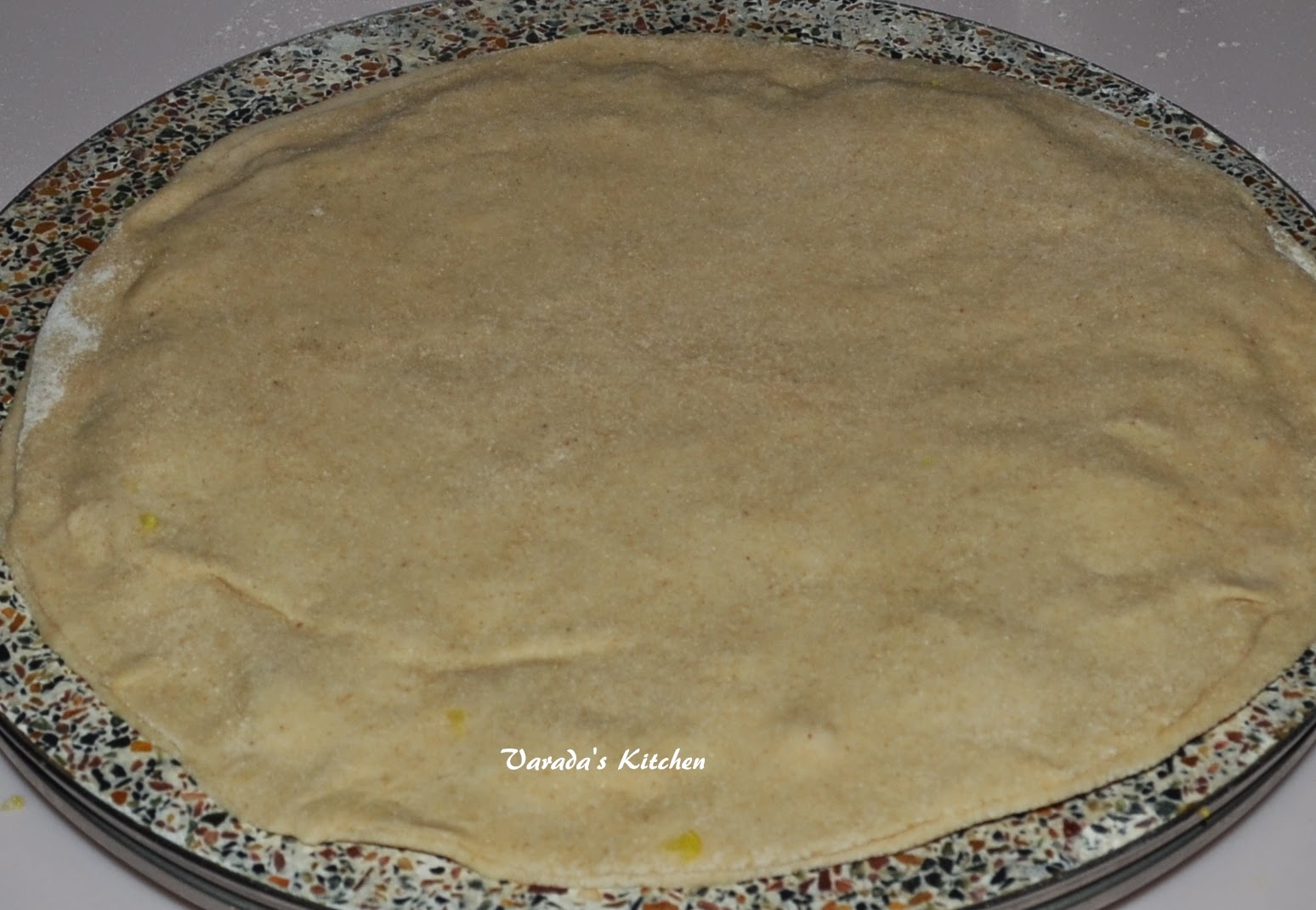
Sprinkle wheat flour to prevent it from sticking and roll it out to a 7 in poli.


Place the paratha on a hot griddle pan. Cook until brown spots appear on the surface. Flip it over and cook the other side.


Serve hot with any side dish like curry or bhaji. Enjoy!


Wednesday, March 25, 2015

Avocado Paratha

Fresh ripe avocado is very tasty and has a beautiful green color. It is packed with nutrients and good fats. The most popular dish with avocado is guacamole. But avocado can be used in many different ways. It can be sliced and used in sandwiches. Or in a paratha as I have done here.


When I first heard of this paratha I couldn't really tell whether it would be liked in my family. I had made a note of it but never tried it. I am so glad I did. This paratha is colorful and very tasty. I did what I usually do while making parathas. I walk into my pantry and pick up the bottles that catch my eye. Those are the flavoring spices for the day. I listed what I used, feel free to experiment.
Note: Avocado turns black brown if it is exposed to air so you cannot cut it ahead of time.

You will need (for 7 parathas)
1 avocado
2 cups whole wheat flour
1 tsp. kalonji (onion seeds)
1 tsp. ajwain (carom seeds)
1 tsp. turmeric powder
1 tsp. cayenne pepper powder
1/2 tsp. black pepper
salt to taste
1 tsp. oil
water as needed to make dough

Peel the avocado and remove the seed. Mash it and add all the other ingredients except the water. Mix well and use just enough water to form a soft dough. Keep aside for 15 minutes. Divide into 7 portions.


Heat a griddle pan. I use cast iron. Take one portion of dough and roll it on a work surface to the size of a small disc. Fold the sides in like an envelope.


Roll it out in the shape of a square. Place it on the hot griddle and cook one side. Flip it over and cook the other side. Brown spots and a change in the green color should tell you when the paratha is cooked.


Take the paratha off the griddle and repeat for the other portions.


Enjoy with pickle.


Thursday, February 5, 2015

Bhajri Bhakri

Bhakri is flatbread that is patted into shape rather than being rolled into shape. It can be made with a wide variety of flours. Today I made it with Bajri or Pearl millet. This is a rustic version that I served with a dry cauliflower side.


This flour does not last very long. I bought it from the Indian store last week and did not get time to use it. By this week it was close to its use by date. My daughter asked me if I was making the cement poli again. But once she started on the puffed bhakri she did not complain. There are very few food that she does not like but loves to give them weird names. I think I am a picky eater compared to her.

You will need
2 cups bajri flour or pearl millet flour
cold water as needed

Using water as needed knead the flour into a soft dough. Now using some elbow grease knead the dough until it is supple and does not crack when pressed down. This is easier to achieve with freshly ground flour.

Heat a cast iron griddle pan. Divide into lemon sized portions. Using a ziploc bag as the base pat one of the portions into a flattened disc.

Place it on the hot pan. Cook both sides. The bhakri should puff up. To finish cooking it place it on direct heat for a few seconds. Flip to second side for another few seconds.


Take it off heat. Repeat for the remaining portions.


Enjoy it hot with fresh butter and a side of your choice.


This is my entry for week one, day three of BM #49 for the theme Indian Bread Basket.

Wednesday, February 4, 2015

Cauliflower Parathas

Once a week for lunch I make some kind of stuffed flat bread. It is quick, tasty, filling and great as packed lunch. Parathas are my absolute favorite on weekdays and I have a huge collection on this space. 'Not again' is how my daughter greets me when she realizes what I am up to in the morning. But she enjoys eating them.


My daughter usually packs this paratha as a roll. The filling stays inside and it is easier to eat. When eating it at home she makes this huge mess on the plate, complains how messy the parathas but enjoys them just the same. Addition of potatoes makes them less messy but I prefer not to add them. You may choose to add a small boiled and mashed potato to the filling. It will help bind the filling to the dough.

You will need
For the dough
2 cups whole wheat flour
water as needed

For the filling
1 head cauliflower
1 tbsp. olive oil
1 tsp. mustard seeds
1/2 tsp. asafoetida
1 tsp. turmeric powder
1 tbsp. kalonji (onion seed)
1/2 tsp. black pepper powder
salt to taste

Clean the head of cauliflower and cut the florets. Dice finely. Heat oil in a pan and add the mustard seeds. When they crackle add the asafoetida and turmeric powder. Next add the diced cauliflower. Saute until cooked. You may sprinkle a little water if it gets too dry. When almost cooked add the remaining ingredients. Let it cook completely. Turn off heat and let it cool.


In the meantime, add the whole wheat flower to a mixing bowl and using water as needed knead into a soft dough. Keep aside.

Once the cauliflower cools heat a griddle pan on a stove. I use cast iron. Divide the dough into lemon sized portions. Roll one portion on a work surface using a rolling pin to a large disc and keep aside. Roll another portion. Now add 2 tbsp. of filling to the rolled dough and spread it around leaving a half inch border.


Place the first rolled portion of dough over the top. Press down the edges to seal them.


Place the paratha on the hot griddle.


Flip over and cook the under side. The dough changes color and brown spots appear. Flip over and cook the first side. Take off heat. Repeat with the remaining portions.


Enjoy with pickle.

Tuesday, February 3, 2015

Makka Methi Bhakri

Bhakri is flat bread that is shaped using the palm of your hand rather than a rolling pin. Bhakri was a dinner staple in my grandmother's house. My mother was not too fond of bhakri, she preferred her whole wheat poli/chapati. So we used to have bhakri only when we were visiting my grandmother in Pune. We usually had it for dinner.


Bhakri is a nice variation to everyday wheat based poli. The most common bhakri is made with jowar or jwari or sorghum. But it can be made with other flours like bajri (pearl millet) or maaka (maize). With methi or fenugreek leaves available in abundance during the winter months I decided to add some methi to bhakri for some flavor.


I used store bought corn flour so I added a little wheat flour to it. If you can source fresh corn flour you can skip the wheat flour.

You will need
2 cups corn flour
1/2 wheat flour (skip this if you can source fresh corn flour)
a handful of methi (fenugreek) leaves, chopped
1 tsp. salt
1 tsp. cayenne pepper
1/2 cup water or as needed

Mix all the ingredients together to form a soft dough. Knead well until it is soft and pliable.


Divide into lemon sized portions. Heat a griddle pan (preferably cast iron) on medium heat. I used a ziploc bag to shape the bhakri. When the pan is hot take one of the portions of dough and using your palm flatten it on the ziploc bag. Continue patting it down until you have the desired size.


Place it on the hot griddle. Flip it over when one side is cooked. Flip again to cook the other side.


Enjoy!

This is my entry for week one, day one of BM #49 for the theme Indian Bread Basket.

Monday, January 5, 2015

Spinach White Bean Wrap

When healthy vegetables and beans are cooked into a delicious filling and wrapped inside a poli, chapati or tortilla you get a wrap. Wraps make great packed lunches and is one of the reason why I love them so much. The variations to the filling are endless. This one is a favorite and tastes amazing even when cold. Cooked white beans are mixed in with spinach and feta cheese. All that is needed is a little salt and pepper and maybe a little onion. The sharp taste of the beans, spinach and feta make this filling tasty even if eaten cold. That is what makes it perfect as packed lunch.


I started making a filling similar to this one when my husband traveled a lot. It was perfect to put together as a quesadilla on a weekday morning. My daughter loved it and it made for a filling packed lunch for the two of us. For some reason when my husband stopped traveling I did not make it so he never knew about it. Then one day my daughter reminded me of it. Back when I first made it my daughter was not fond of feta cheese so I used cheddar and parmesan. Over the years she developed a taste for feta. So I made the filling with feta cheese. My husband watched as I put all the ingredients in the pan wondering how the combination was going to taste and what he would do if it tasted awful. I decided to put him out of his misery and asked him to taste test it. He could not believe how such simple ingredients could be so flavorful.

You will need (for 6 wraps)
1 cup dry navy or cannelloni beans
3 cups spinach, chopped
1/2 onion (optional)
1 tbsp olive oil
1/3 cup feta cheese, crumbled
salt and black pepper to taste
1/2 tsp. cayenne pepper (optional)
6 poli or chapati (you could use store bought tortilla if you wish)

Soak the dry beans overnight and pressure cook the next day. Alternately you could use canned beans. Rinse the canned beans, drain and keep aside. Make the poli or chapati as per the instructions in the link above. Keep aside until needed.

Wash, drain and chop the spinach. Separately, chop the onion. Heat oil in a pan and saute the onion until tender. Add the spinach and let it wilt for a couple of minutes. Coarsely mash the cooked beans and add them to the pan. Add salt and pepper to taste. Add the cayenne pepper. Cook for couple more minutes and turn off the heat. Let the mixture cool.


Heat a griddle pan. Place a prepared poli/tortilla to heat one side. Flip it over and heat the other side. Transfer to a plate and place a sixth of the stuffing in the middle. Spread it around one half leaving an inch on the sides.


Fold the sides in and make a roll.


Place it on the hot griddle pan. After a half minute roll it over. When heated through take off heat. If you want the sides sealed perfectly brush a little oil over the rim. I skip the oil.


The wrap can be eaten hot or cold.


Enjoy!


This is my entry for week one, day two of BM #48 for the theme Rolls and Wraps. Check out the Blogging Marathon page for the other Blogging Marathoners doing BM#48.

Wednesday, December 3, 2014

Eggless 100% Whole Wheat Laadi Pav / Dinner Rolls

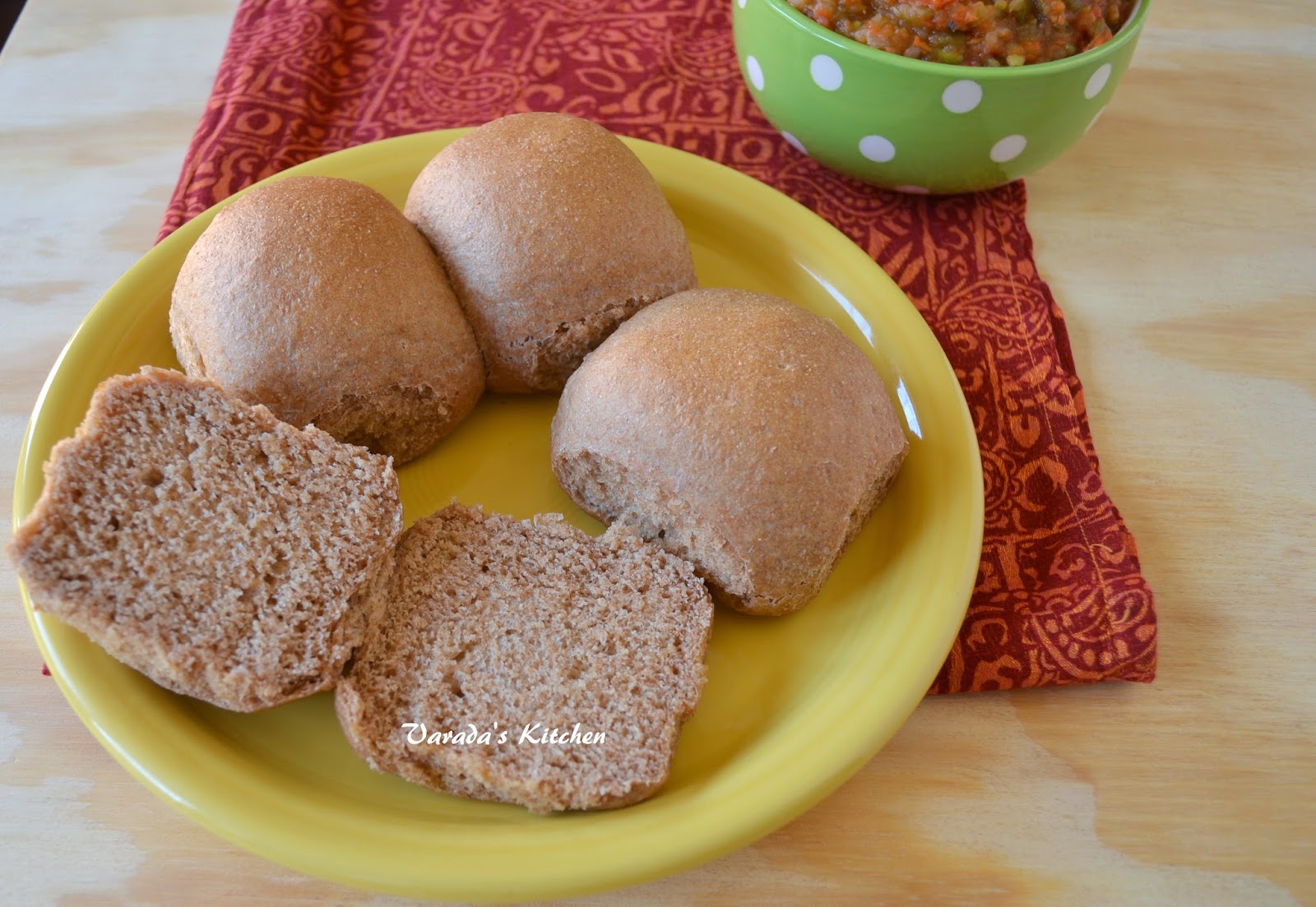
I have posted dinner rolls with 50% whole wheat in this space. These rolls are made with 100% whole wheat flour. I used King Arthur organic white whole wheat flour. It is an organic high protein flour and produces very tasty dinner rolls. My daughter is very willing to munch on a hot roll without anything added to it.


I make these rolls often as we have Pav bhaji almost every weekend. Homemade and made 100 % whole wheat these rolls are very healthy. Whole wheat rolls are usually dense but I wanted them to be really soft. So I substituted eggs with yogurt and pinch of baking soda. The crumb was tight but the rolls were really soft.

You will need for 15 pav
5 cups whole wheat flour
1/2 cup yogurt
1 pinch baking soda
1 tbsp. sugar
1 1/2 tsp salt
2 tsp. yeast
2 tbsp. olive oil
1 1/2 cup lukewarm milk
1 cup warm water
1 tbsp milk for brushing the rolls

Sift the flour in a large mixing bowl. Add the sugar, salt and yeast. Whisk the yogurt with baking soda in a separate bowl.


When it starts to bubble add to the flour and mix well. Heat the milk and water in a microwave and add it to the flour along with the oil. Mix together to form a dough. Knead for a few minutes until smooth and elastic.


Place the ball of dough in the bowl, cover and allow to rise for 1-2 hours until it doubles in volumes. On a hot day this process might go faster.


Flour your hands and your working surface and transfer the dough on to it. Do not punch it. Be gentle as you work the dough into a rectangle. Using a pastry cutter cut equal portions of the dough. I got 15 rolls of ~76 gm each.


Shape the roll to get the smooth top. Fold in all the sides of the cut portion of dough.


Squeeze together.


Turn over. The under side now on the top should be smooth. Cup your palm around the ball of dough and rotate your arm such that the bottom of the balls rotates on the work surface. This seals in the bottom of the pav and creates tension on the top surface.


Place the rolls a half inch apart on a baking sheet covered in parchment paper. Cover loosely. Allow the rolls to rise for 20-30 minutes.


In the last 10 minutes preheat the oven to 350 F. Brush the tops of the rolls with a little warm milk.


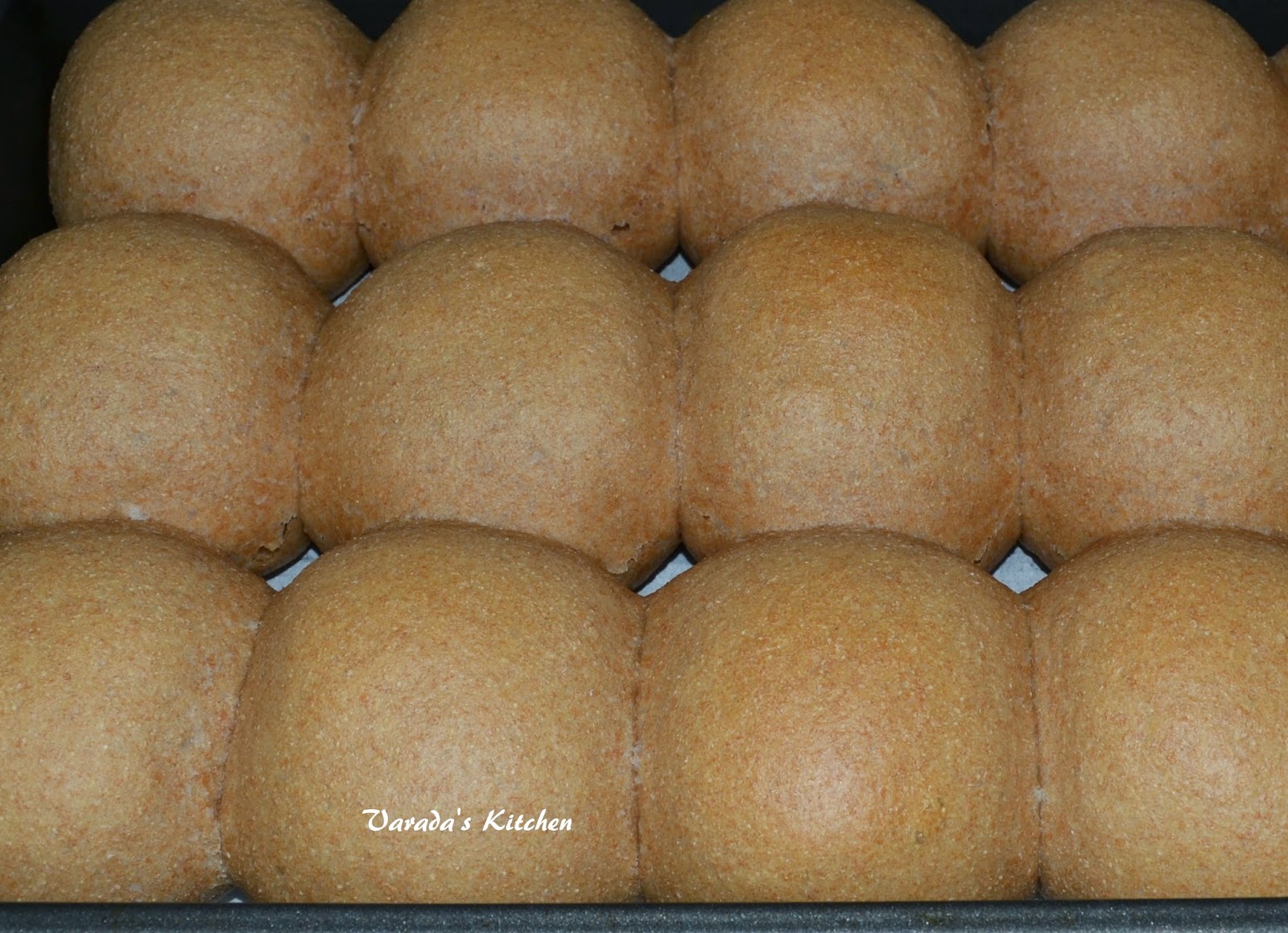
Bake for 20-30 minutes or until the tops are brown and a tester inserted in the center comes out clean. Transfer to a cooling rack for a couple minutes.


Enjoy!