Showing posts with label Japanese. Show all posts

Thursday, September 11, 2014

Japanese Meal

This meal comes from Japan. It is a simple meal that is suitable for a Bento box. The flavors in this meal are very different from what we are normally used to. I did not know much about Japanese cuisine and needed help with all the basics of this cuisine. I was happy to find Just one cook book, a blog with a lot of information about Japanese cuisine. I was fascinated with how dishes are selected for bento boxes. I found additional information at Just Bento and I decided I wanted to cook a meal fit for a bento box.


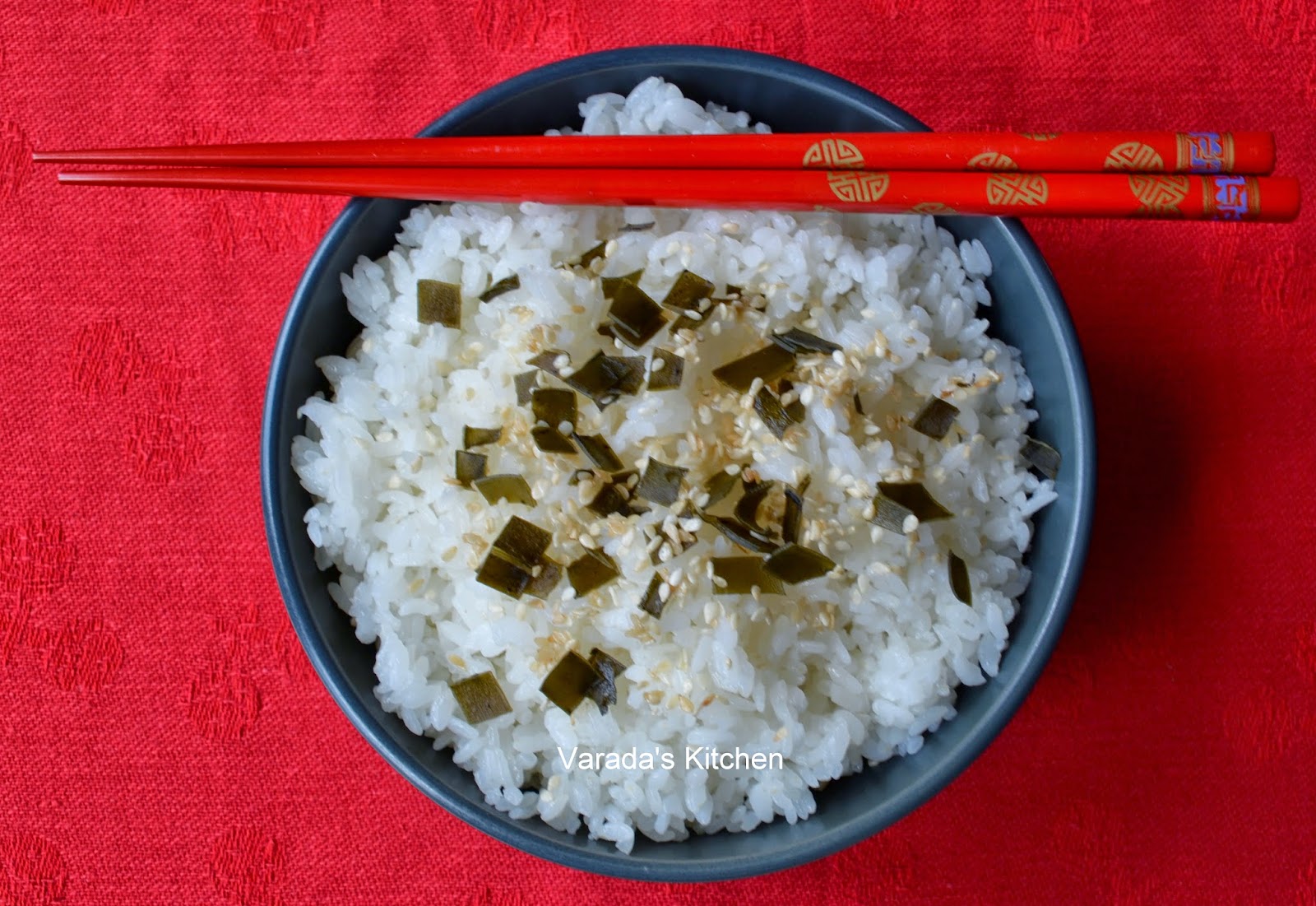
My Japanese bento box menu has a big bowl of Japanese sticky rice topped with Furrikake that is a kelp topping made with kelp leftover from preparing dashi. The rice was served with several side dishes. Negimiso yaki tofu or grilled tofu, flavored with a strong miso paste, provides intense flavor in every bite. Nori tomagoyaki or seaweed rolled into omelette rolls is a unique omelette preparation where multiple layers of thin egg crepes rolled together. Together the tofu and eggs meet the protein requirement of a bento box meal. Spinach gomaae or spinach with sesame seeds is a surprisingly crunchy dish with the roasted sesame seeds. The blanched spinach adds a mild flavor. For dessert I made Matcha white chocolate chip cookies or green tea cookies. Matcha has a strong green tea flavor and an equally strong aroma that reminded me of henna.


The new ingredients I used were kombu (kelp), nori (seaweed) and macha powder (special green tea powder). When I cooked this meal I was in a mood to experiment. All the meals I had cooked from the different countries up until this time were full of dishes known to us. So I went out on a limb and picked dishes whose flavors would be very new. I went shopping for groceries at the local Japanese store, a delightful mom and pop store with a lot more than just groceries. My husband was travelling so it was just me and my daughter. Nori or seaweed is not completely new to me. I remember my father had brought home some nori from Japan when I was about 10 years old. I had bravely attempted to eat it in a rice roll as my Dad showed me. But I had not been able to eat it. Finally I cut little pieces of the nori and placed a couple in a ball of rice and was able to eat it. Let us just say that neither my taste buds nor my enthusiasm to try new foods has changed much over the years. My daughter didn't do much better than me. We did enjoy the rest of the meal.

As they say in Japan, Itadakimasu!

Here are the recipes for the dishes on the menu
And for dessert

Dashi (Kombu Stock)

This is a basic stock recipe that I got from here. Usually dashi is not a vegetarian stock. But this recipe uses kelp just kelp, a sea vegetable, to make the stock. Dashi is used in varying quantities in a lot of the Japanese dishes.


Heat a Kombu (kelp) leaf in 4 cups water. As the color of the water changes and well before the water boils remove the leaf.


Let the water heat some more then take it off the heat. This is the dashi or kombu stock that is used in a lot of Japanese recipes.

Matcha Cookies (Green Tea Cookies)

Japanese green tea cookies are made with a special green tea powder called Matcha. It is a very strong green tea. It is bright green in color as it is made from leaves that are grown in the shade and are not fermented. Did I mention this tea is pretty strong?


If brewed as tea this powder would make the tea quite bitter but as a flavoring in cookies it gives the cookie a beautiful color as well as flavor.


I went to the local Japanese store to buy this powder. The owner excitedly showed me an array of matcha flavored products that had just arrived from Japan. One of them were these matcha cookies and the most surprising was matcha flavored Kitkat. After trying these cookies I can understand why the flavor is so popular. Unfortunately, it was way too strong for me. I should have waited for my dad's visit before making them. He likes green tea, he would have liked them. I nibbled on half a cookie at a time and finished them. They had an addictive taste and I would have loved them had they not been as strong.

Recipe adapted from here
You will need
75 gm unsalted butter
65 gm sugar
pinch of salt
1 large egg yolk
120 gm all purpose flour
7 gm matcha powder
1/4 cup white chocolate chips

Beat softened unsalted butter in a mixing bowl. Add the sugar and beat until creamy. Add the salt and the egg yolk and beat well. Sift in the flour and matcha powder and form a soft dough. Fold in the chocolate chips. Roll into a cylinder, wrap in plastic and refrigerate overnight.


Preheat oven to 350 F. Prepare a baking with parchment paper. Remove the cylinder from the refrigerator. Using a sharp knife cut into 1/4 inch slices. Place the slices on the baking sheet and bake for 20-22 minutes.


Cool on a cooling rack.


Store in an air tight container when they are completely cooled.

Gohan with Furrikake (Sticky Rice with Kelp topping)

Sticky rice is a staple in Japanese meals. I bought Japanese sushi rice from Whole Foods. Since it is sold in bulk I was able to buy a small quantity of 1 cup. The furrikake is made with kelp leaves with which dashi or stock has been prepared. This used kelp does not have a bitter or overpowering taste but it does smell of the sea.


This recipe serves two people.

Recipe adapted from here
For the Gohan
1 cup Japanese short grain rice (sushi rice)

Recipe adapted from here
For the Furrikake
1 tbsp. sesame seeds
1 sheet kombu (Kelp) that was used to make dashi
1 tsp. soy sauce
1 tsp. sugar

Washing and cooking rice the right way is a big deal when rice is the staple. To wash rice the Japanese way watch this video. I followed it to a T. In fact I now wash every grain and bean the same way.

Put the washed rice in a pan with a little over a cup of water.


Keep aside for an hour. The rice turns an opaque color.


Cover the pan and put it on high heat to bring the water to a boil. Lower the heat and let the rice cook for about 5 minutes. When the water is all gone turn off heat. Using a rice paddle or a wooden spoon turn the rice over in the pan. Cover and steam for another 5 minutes without heat.


The rice is ready. Mix all the ingredients for furrikake in a separate bowl and sprinkle it over the bowl of rice. Serve with Japanese side dishes.

Spinach Gomaae

Blanched spinach served with a sesame seed sauce garnished with roasted sesame seeds. I made this dish in a very very small quantity because I did not know if we would be able to eat it. Ability to eat spinach in this form is an acquired taste.


Since this small quantity was made as part of a Japanese meal we were able to mix it in the rice and finish it.

Recipe adapted from here
You will need
a handful of spinach
1 tbsp. sesame seeds, roasted and ground
1 tsp. soy sauce
1 tsp. sugar
1 tbsp. sesame seeds, roasted for garnish

Boil water in a pan. Add the spinach and let it cook for a minute. Remove the blanched spinach and drain. Meanwhile, mix the sesame powder with the soy sauce and sugar.
Cut the drained spinach into pieces, squeeze the water out completely and combine with the sesame seed mixture. Sprinkle with roasted sesame seeds and serve.

Negimiso Yaki Tofu (Grilled Tofu)

Tofu side dishes are added to Japanese meals to increase the protein content of the meal. This is a simple dish where tofu is sliced and grilled. Miso paste is applied to one side of the tofu to provide a strong flavor. This dish is typically served with Japanese rice.


I do not use tofu much in my kitchen. It is usually used as part of my trials with dishes from new cuisines. I also use it when I try to convert east Asian recipes to vegetarian ones. This is one of the free stand alone dishes I made with tofu. I picked up a tub of miso paste from the local Japanese store. The amount of choices were astounding. It took me 10 minutes to decided which tub would be best suited to our taste.

Recipe adapted from here
You will need
3.5 oz. firm Japanese tofu
4-5 tbsp. negimiso paste
2 tbsp. olive oil

For the negimiso paste
2 tbsp. green onion
1 tbsp. olive oil
1/4 cup smooth miso paste
1/4 cup dashi
1 tsp. sugar
1 tsp. soy sauce

Place the tofu under some weight to extract all the liquid from it. 

Meanwhile prepare the negimiso. Chop the green onion (not the green leafy part). Heat oil in a pan and add the chopped onion. Saute for a few minutes until the onion is translucent. Combine all the other ingredients and add them to the onions.


Keep cooking until the paste is the desired consistency.


Slice the tofu into 1/2 inch slices. Heat oil in a pan and place the tofu slices.


Brown both sides. Apply a little of the miso paste to one side of the slices. Flip them over to brown the paste.


Take off heat.


Negimiso yaki tofu is ready.

Nori Tomagoyaki (Seaweed Omlette)

Tomagoyaki is an omelette that is made in multiple layers. Each layer is a thin egg crepe cooked and then rolled up. A sheet of nori is rolled in the middle to add additional flavor.


I made this dish as part of a Japanese meal and I picked this dish because I wanted to try my hand at rolling the egg. It was fairly easy to do until the addition of the nori. The omlette from that point on had a mind of its own. Lack of a square flat pan may also have contributed to the rolling woes. The taste is definitely an acquired one.

Recipe adapted from here and here
You will need
2 eggs
1 tbsp. dashi (kombu stock)
1 tsp. sugar
1 sheet nori or seaweed
1 tsp. olive oil

You need a special pan to make this omelette. I used a stove top safe Corelle casserole dish.
Beat 2 eggs in a bowl. Add the sugar and dashi and keep aside. Cut a sheet of nori to fit about 3/4 of the inside of you casserole dish.


Heat olive oil in the dish and add a thin layer of beaten eggs to it. Let the egg crepe cook on low medium heat. Using a spatula roll the crepe to one side of the dish. Pour another thin layer of beaten eggs in the dish. Lift the dish to ensure the egg mixture covers the entire bottom of the dish including under the egg roll. Once the crepe is cooked roll the already prepared egg roll over the newly formed crepe.


Repeat with another layer of beaten eggs but this time add the sheet of nori on the top.


Roll it up as before. Put the last layer of beaten egg and roll it up.


Nori Tomagoyaki is ready.

Saturday, May 31, 2014

Sesame Soba Noodles

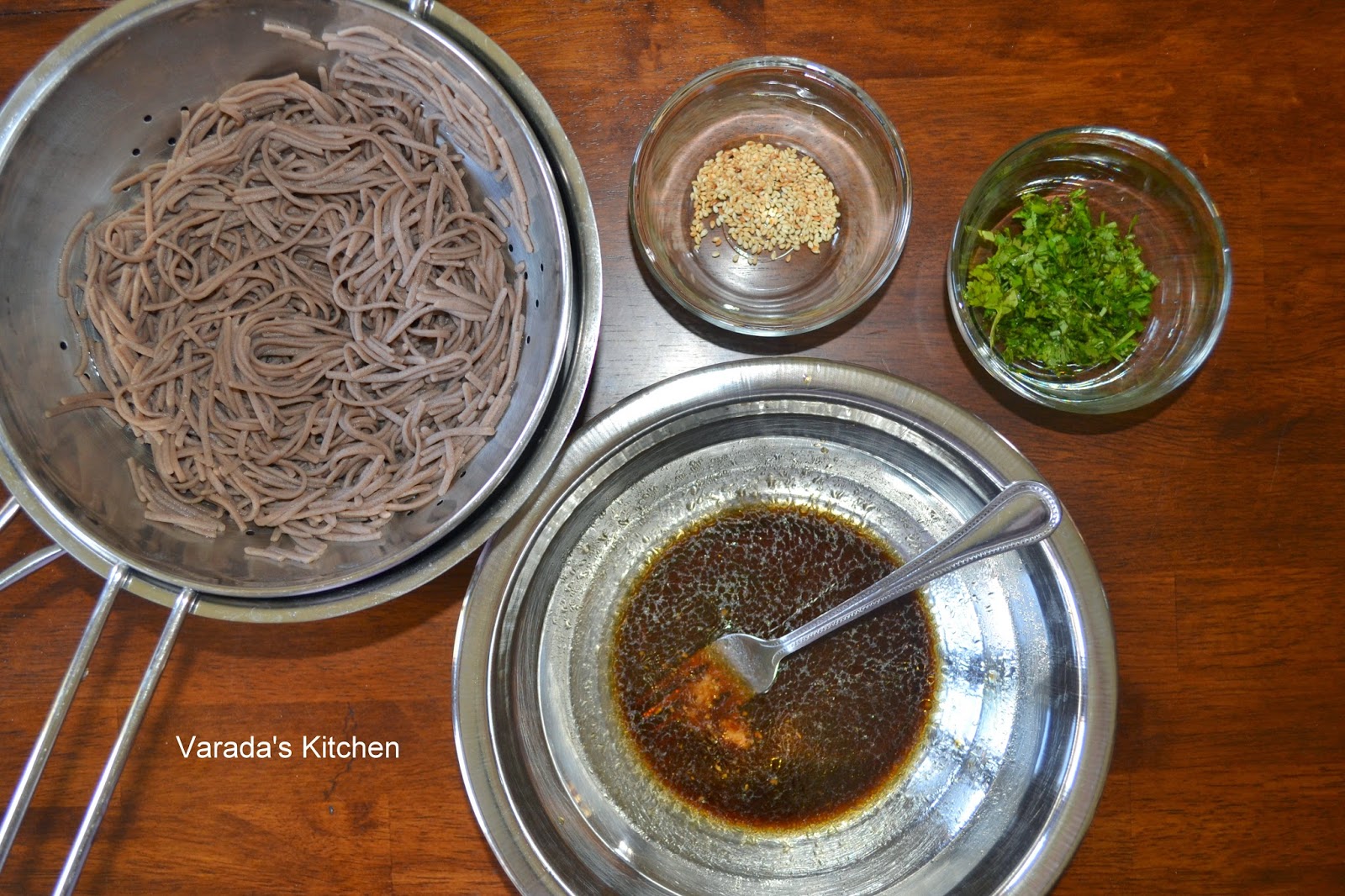
Soba Noodles made with 100% buckwheat are one of the healthier noodles available in the grocery store. They are very flavorful and need very few additives to turn them into a flavorful dish. Today I have a very simple dish with a handful of ingredients. You could add stir fry vegetables if you wanted a more substantial meal.


You will need
8 oz. packet soba noodles (100% buckwheat)
1/4 cup rice wine vinegar
1 tbsp. soy sauce (if you like the taste of soy you could add upto another tablespoon)
1 tbsp. sesame oil
2 tbsp. sugar
1 tsp. salt
1 tsp. ginger garlic paste

For the topping
1 tbsp roasted sesame seeds
2 tbsp. cilantro, diced
2 springs spring onions, chopped (optional)

Cook the soba noodles as per packet instructions. Drain and wash with cold water. Keep aside.


In a bowl combine all the other ingredients. Mix in the cooked soba noodles and the topping.


Serve immediately.

Monday, March 24, 2014

Melon Pan (Japanese Cookie Crusted Bread)

Melon Pan is a Japanese bread that uses two different types of dough. Plain bread dough is used for the base and is covered with a cookie dough. The two are baked together. While most of the bread is plain it tastes mildly sweet because of the crust. This bread has a very light fluffy texture and tastes great hot out of the oven.


The dough is extremely sticky and needs a lot of work kneading. I started kneading with my hands and halfway through the process I wished I taken help from my electric tools. The dough does come together eventually and the sticky dough results in a really nice texture on the inside.

You will need
For the cookie dough
2 1/2 tbsp. sugar
2 tbsp. butter, softened
2 tbsp. beaten egg
1/3 cup cake flour
¼ tsp. baking powder
Bread flour for dusting


For the base
2/3 cup bread flour
1 tsp. nonfat milk powder
1 3/4 tbsp. sugar
1/3 tsp salt
1/2 of a 1/4 oz. packet of Fleischmann instant yeast
1 tbsp beaten egg
1/3 cup warm water
1 tbsp. butter, softened
Bread flour dusting

4 tbsp. sugar

To make the cookie dough
Whisk the sugar and butter together. Add the beaten egg a little at a time and continue to whisk.


Sift the cake flour and baking powder twice. Fold it into the sugar mixture a little at a time.


Once all the dough is incorporated transfer the cookie dough on a plastic wrap. Shape into a cylinder, wrap and refrigerate for at least an hour.


To make the base
Mix together the dry ingredients, bread flour, milk powder, sugar, salt and yeast in a bowl. Whisk the beaten egg in warm water. Add the egg water to the flour and make a dough. Flour the working surface and transfer the dough to the surface. It will be very sticky. Knead the dough by picking it up and throwing it on the working surface. Fold it on itself and repeat for 3-4 minutes.


Break up the softened butter into pieces and work it into the dough. Continue kneading as before. Use a little flour on the surface if it gets too sticky.


Do no use too much flour. After about 15 minutes of kneading the dough should come together. It will be smooth and elastic. Shape it into a ball and place it in a bowl. Cover and keep aside until doubled in volume (about an hour).

To put it together
Transfer the risen dough to a floured work surface. Punch it down and roll it from one end to the other to remove the trapped air. Form a cylinder and cut it into 3 portions. Smooth out each portion into a ball and place it on a parchment paper covered baking sheet. Cover and let it rest for 20 minutes.


Meanwhile, remove the cooled cookie dough and cut it into 3 portions. Roll up the portions in a ball and place between two sheets of plastic. Press with a plate to form a disc about 3 inches in diameter. Place on a baking sheet covered in plastic and refrigerate.


On a clean plate put 4 tbsp. of sugar and keep aside. To put the cookie dough over the base pick up a portion of the base. Place a disc of the cookie dough over it. Turn it over and press down the cookie dough into the base. Now holding the ball by the base dip it in the plate of sugar such that the entire surface is coated with sugar.


Using the back of a knife etch a diamond pattern on the top.


Carefully place the dough back on the parchment covered baking sheet. Repeat with the other two portions of dough. Cover and keep aside for the second rising for about 45 minutes.


Preheat over to 350 F. Bake the melon pan for 20 minutes or until the bottom is brown and the top is just beginning to brown.


Transfer to a cooling rack and let them cool a little.


Serve warm. They are best eaten the day they are cooked.