This is not an authentic Mexican dish. However, all the ingredients that make up this dish are used in the Mexican cuisine so I call this the Mexican Casserole. I put this together based on a recipe I found at least 10 years ago. Since then I make it a few times a year. It has evolved over time and I do not even remember what changed or why.
If your children like Mexican food like mine does then they will love this casserole. The cooking time for this dish is long but you don't have to watch it. That makes it perfect on days when you are tired and want dinner to cook itself. The best part of it is everyone is happy.
You will need
1 1/2 cups brown rice
1 1/2 cups salsa, any kind
1 tsp. paprika (optional)
1 can refried beans or you can make your own
8 oz. frozen yellow corn
2 handfuls baby spinach leaves
1 cup shredded cheese, sharp cheddar or similar
1/2 tsp. olive oil to coat the casserole dish
Put the frozen corn on the counter top to thaw. Wash and cook the brown rice. Keep it aside uncovered to cool down. Mix the salsa with the cooled rice.
Preheat oven to 400 F. Mix the thawed corn and paprika with the refried beans and keep aside.
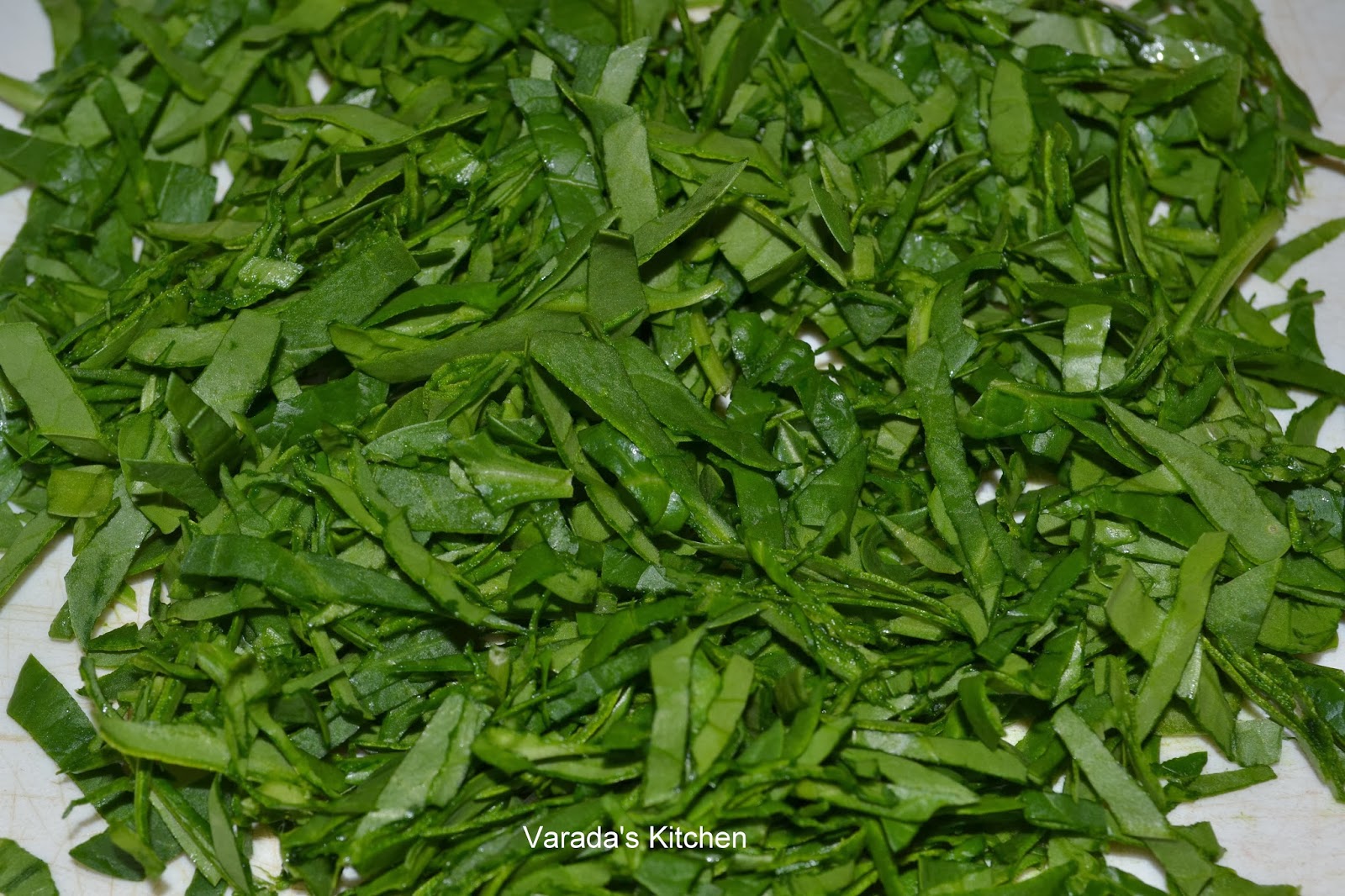
Chop the baby spinach and keep aside.
Grate the cheese.
Oil the bottom and sides of a casserole dish. Layer almost half of the salsa rice mixture on the bottom of the dish.
Add the bean and corn mixture on the top and spread it to form a second layer.
Layer the chopped spinach over the bean and corn mixture.
Add 3/4 of the cheese over the spinach.
Layer the rest of the rice mixture over the top.
Sprinkle the remaining cheese.
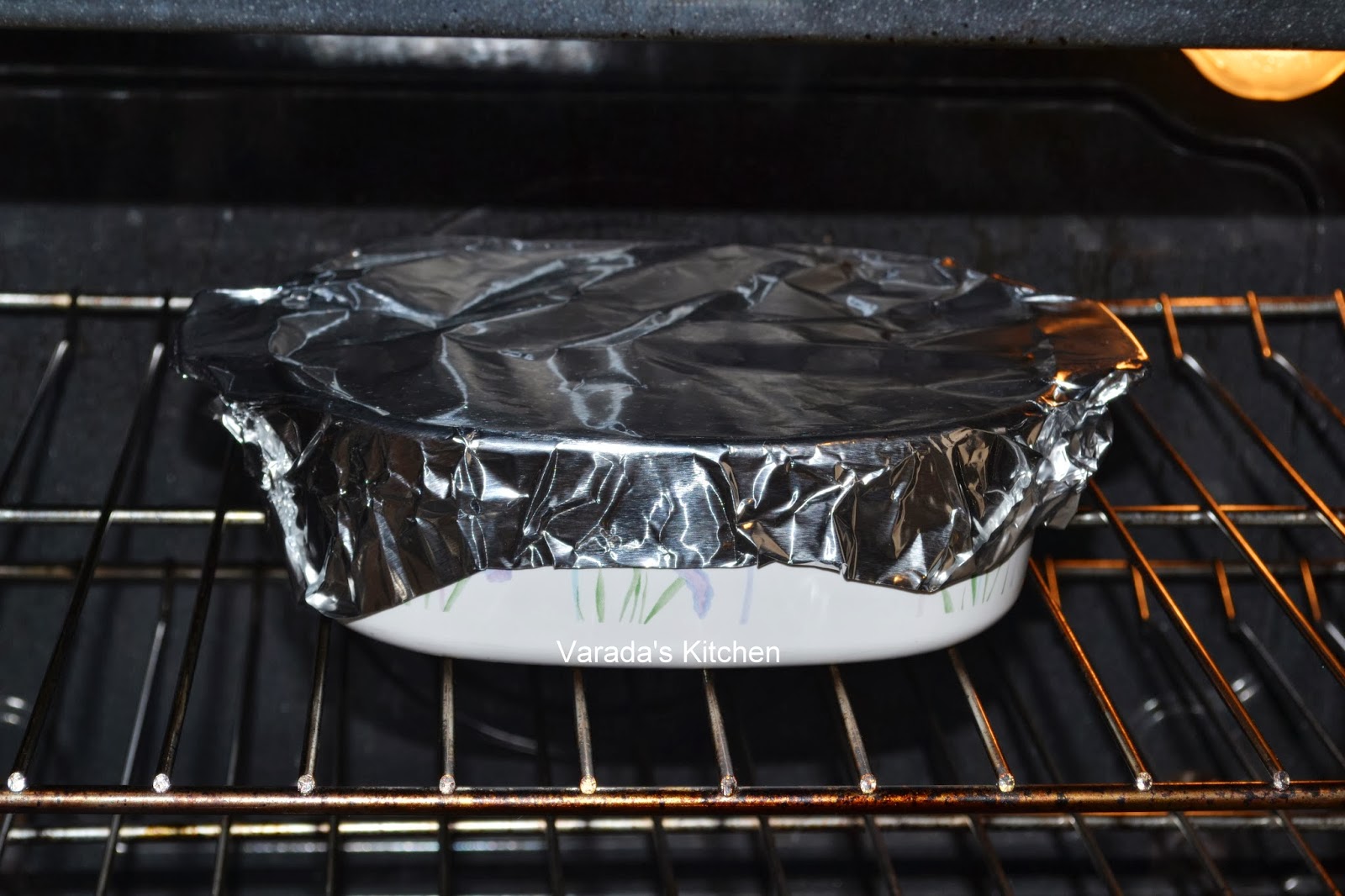
Cover with aluminium foil and bake for 25-30 minutes.
Uncover and brown the cheese for another 5 minutes.
Serve hot.
Enjoy!
Monday, March 17, 2014
Sunday, March 16, 2014
Puran Poli
Today is Holi the festival of colors. It is a celebration of spring and new life. It is also a symbolic gesture to burn away everything old and start over.
Dry color pouches or water guns are used to spray color on friends and family. Growing up everyone from our neighborhood celebrated holi. There was an advantage in going out early. As children came out to play the gang grew bigger. Everyone was in light colored clothing and by the end of the morning the clothes would be stained with all the different colors. People were hard to recognize as the faces were colored. At the end of the morning we would all return home to take a shower and wash off all the color. Though most of the color washed off some telltale sign would remain and that would be a conversation starter in school the next day.
In Marathi homes puran poli is made specially on holi. It is eaten either with ghee (clarified butter) or with milk. Puran is a mixture of cooked channa dal and jaggery. Katachi amti is a dish prepared from the water in which the channa dal is cooked. Puran poli and katachi amti is a classic combination. I served the puran poli with beetroot salad, instant jaggery and mustard pickle and bharli wangi (stuffed eggplant).
You will need
For the puran
1/2 cup channa dal
1/2 cup jaggery
1/4 cup sugar
2 pods cardamom
nutmeg
For the poli
1 cup whole wheat flour
1 tbsp. all purpose flour
2 tbsp. olive oil, divided
1 tsp. salt
To make the puran
Wash and pressure cook the channa dal in 1 1/2 cups of water. Do not let it get mushy. Strain and reserve the water.
Mash the channa dal and put it in a pan. Add the jaggery and sugar. Set it on medium heat to cook. Initially the sugar and jaggery will dissolve cause the mixture to form a watery paste.
As it cooks it will thicken. When a spoon left in the center of the mixture stands for a few seconds on its own you know the puran is done. At this time the color will be a light brown if you used light colored jaggery. Take it off the heat. Shell the cardamom and pound the seeds to a powder. Add the powder to the puran. Using the rough side of your box grater grate some nutmeg in the puran. Mix it and let it cool completely.
To make the poli
In a mixing bowl sift in the flour and salt. Rub in the olive oil. Using water form a dough and knead well. Pour a tablespoon of oil on your palm and knead the dough until it is soft and smooth. Cover and keep aside for 2 hours.
After 2 hours use a little olive oil to knead the dough again. Divide the dough into five portions. Heat a griddle pan. Flatten one portion of the dough in the palm of your hand. Place a fifth of the puran in it.
Close the dough over the top of the filling to form a ball.
Roll it out on a working surface to form a thin disc.
Put a few drops of oil on the heated pan and place the rolled poli on it. Sprinkle some oil over the top. Let the poli cook and when browns spots appear flip it over. Cook the other side and take it off the heat.
Repeat with the remaining portions of dough.
Enjoy!
Dry color pouches or water guns are used to spray color on friends and family. Growing up everyone from our neighborhood celebrated holi. There was an advantage in going out early. As children came out to play the gang grew bigger. Everyone was in light colored clothing and by the end of the morning the clothes would be stained with all the different colors. People were hard to recognize as the faces were colored. At the end of the morning we would all return home to take a shower and wash off all the color. Though most of the color washed off some telltale sign would remain and that would be a conversation starter in school the next day.
In Marathi homes puran poli is made specially on holi. It is eaten either with ghee (clarified butter) or with milk. Puran is a mixture of cooked channa dal and jaggery. Katachi amti is a dish prepared from the water in which the channa dal is cooked. Puran poli and katachi amti is a classic combination. I served the puran poli with beetroot salad, instant jaggery and mustard pickle and bharli wangi (stuffed eggplant).
You will need
For the puran
1/2 cup channa dal
1/2 cup jaggery
1/4 cup sugar
2 pods cardamom
nutmeg
For the poli
1 cup whole wheat flour
1 tbsp. all purpose flour
2 tbsp. olive oil, divided
1 tsp. salt
To make the puran
Wash and pressure cook the channa dal in 1 1/2 cups of water. Do not let it get mushy. Strain and reserve the water.
Mash the channa dal and put it in a pan. Add the jaggery and sugar. Set it on medium heat to cook. Initially the sugar and jaggery will dissolve cause the mixture to form a watery paste.
As it cooks it will thicken. When a spoon left in the center of the mixture stands for a few seconds on its own you know the puran is done. At this time the color will be a light brown if you used light colored jaggery. Take it off the heat. Shell the cardamom and pound the seeds to a powder. Add the powder to the puran. Using the rough side of your box grater grate some nutmeg in the puran. Mix it and let it cool completely.
To make the poli
In a mixing bowl sift in the flour and salt. Rub in the olive oil. Using water form a dough and knead well. Pour a tablespoon of oil on your palm and knead the dough until it is soft and smooth. Cover and keep aside for 2 hours.
After 2 hours use a little olive oil to knead the dough again. Divide the dough into five portions. Heat a griddle pan. Flatten one portion of the dough in the palm of your hand. Place a fifth of the puran in it.
Close the dough over the top of the filling to form a ball.
Roll it out on a working surface to form a thin disc.
Put a few drops of oil on the heated pan and place the rolled poli on it. Sprinkle some oil over the top. Let the poli cook and when browns spots appear flip it over. Cook the other side and take it off the heat.
Repeat with the remaining portions of dough.
Enjoy!
Goda Kala Masala (Maharashtrian Masala)
Goda masala is a Maharashtrian masala that is very different from the regular garam masala. It is used to flavor some classic marathi dishes like Bharli wangi or stuffed eggplant.
Kala Masala has dried coconut in it which reduces its shelf life. Stored in an airtight container it lasts for a fortnight.
You will need
1/4 cup coriander seeds
1 tbsp. cumin seeds
1 clove
1/2 inch piece cinnamon
1/4 cup dried coconut flakes
1 tbsp. olive oil
Heat a tbsp. of oil and roast the coriander and cumin seeds. When they get crispy transfer them to a bowl of a dry grinder. Add the clove and cinnamon to the pan. Roast for a few minutes until crisp and transfer to the bowl. Now roast the coconut flakes and when they start to turn brown turn off heat and transfer them to the bowl. Dry grind to a powder and store.
Kala Masala has dried coconut in it which reduces its shelf life. Stored in an airtight container it lasts for a fortnight.
You will need
1/4 cup coriander seeds
1 tbsp. cumin seeds
1 clove
1/2 inch piece cinnamon
1/4 cup dried coconut flakes
1 tbsp. olive oil
Heat a tbsp. of oil and roast the coriander and cumin seeds. When they get crispy transfer them to a bowl of a dry grinder. Add the clove and cinnamon to the pan. Roast for a few minutes until crisp and transfer to the bowl. Now roast the coconut flakes and when they start to turn brown turn off heat and transfer them to the bowl. Dry grind to a powder and store.
Saturday, March 15, 2014
Jaggery Mustard Instant Mango Pickle
Over the last couple months I have noticed the logo of the Indian Cooking Challenge but never dug deeper. Finally last month I asked Srivalli what the ICC was about. ICC is where a group of ladies challenge themselves to prepare an authentic Indian dish every month. When I decided to join the group Valli asked me to suggest a recipe for my first month with the group.
The recipe was for the month of February and this is the month raw mangoes start trickling into the market. My mother and the generations before her got busy pickling the mangoes into sweet and savory pickling liquids to last the whole year. While the flavors of these preparations filled the house the pickles themselves would not be ready for a few weeks. In this interim period instant pickles ruled the roost. One such pickle is the jaggery mustard mango pickle.
This is a simple Maharashtrian recipe and is very tasty. However, it does not last very long. It should be finished within 15-20 days.
You will need
1/4 Kg or 1/2 lb raw mango
1/2 cup red mustard seeds
1/2 tsp. fenugreek seeds
1 cup jaggery
1/2 cup red chili pepper powder
1/4 cup salt
1 tbsp. turmeric powder
Tempering
1/2 cup oil
1 tbsp. mustard seeds
1 tsp. asafoetida
1/2 tbsp. turmeric powder
Wash and peel the raw mango. Remove the seed and dice. Alternately using a wide tooth grater grate the pulp. Keep aside.
Heat the oil for tempering in a pan and add the mustard seeds. When they crackle add the other ingredients for tempering and turn off heat. Let it cool completely.
Grind the red mustard seeds, fenugreek seeds, turmeric powder, red chili powder with 1/2 a cup of water into a fine paste. Blend in the jaagery and the salt.
Mix the ground masala with the diced or grated mango. Pour the cooled tempered oil mixture over the top.
The pickle is ready. Keep it overnight and it will be ready to eat. It will last about 15-20 days.
Note:
This pickle is usually made when raw mango are easily available as this pickle cannot be stored long term. The smaller the pieces of mango the quicker the masala seeps through. Dicing or grating the mango helps the flavor to be absorbed quickly. This is my mother's recipe. In the US I usually reserve a tablespoon of salt to keep the pickle from getting too salty. Adjust the red chili pepper according to taste. Or use paprika for a milder flavor.
The recipe was for the month of February and this is the month raw mangoes start trickling into the market. My mother and the generations before her got busy pickling the mangoes into sweet and savory pickling liquids to last the whole year. While the flavors of these preparations filled the house the pickles themselves would not be ready for a few weeks. In this interim period instant pickles ruled the roost. One such pickle is the jaggery mustard mango pickle.
This is a simple Maharashtrian recipe and is very tasty. However, it does not last very long. It should be finished within 15-20 days.
You will need
1/4 Kg or 1/2 lb raw mango
1/2 cup red mustard seeds
1/2 tsp. fenugreek seeds
1 cup jaggery
1/2 cup red chili pepper powder
1/4 cup salt
1 tbsp. turmeric powder
Tempering
1/2 cup oil
1 tbsp. mustard seeds
1 tsp. asafoetida
1/2 tbsp. turmeric powder
Wash and peel the raw mango. Remove the seed and dice. Alternately using a wide tooth grater grate the pulp. Keep aside.
Heat the oil for tempering in a pan and add the mustard seeds. When they crackle add the other ingredients for tempering and turn off heat. Let it cool completely.
Grind the red mustard seeds, fenugreek seeds, turmeric powder, red chili powder with 1/2 a cup of water into a fine paste. Blend in the jaagery and the salt.
Mix the ground masala with the diced or grated mango. Pour the cooled tempered oil mixture over the top.
The pickle is ready. Keep it overnight and it will be ready to eat. It will last about 15-20 days.
Note:
This pickle is usually made when raw mango are easily available as this pickle cannot be stored long term. The smaller the pieces of mango the quicker the masala seeps through. Dicing or grating the mango helps the flavor to be absorbed quickly. This is my mother's recipe. In the US I usually reserve a tablespoon of salt to keep the pickle from getting too salty. Adjust the red chili pepper according to taste. Or use paprika for a milder flavor.
Thursday, March 13, 2014
Molecular Gastronomy - Strawberry Spheres
Last month I had no idea what molecular was. This is my first attempt and I kept it simple. I present strawberry spheres with strawberry caviar garnished with crushed pistachios.
In college I loved chemistry experiments. I enjoyed myself a lot making these spheres and caviar but decided to keep it simple until I got a better handle on the process. I bought the salts a couple weeks ago and I still have a good amount left. I will try other things in the coming weeks.
Ideally all the air bubbles should be gone before you create the caviar or spheres. That is something I need to work on.
You will need
1 tsp. Sodium Alginate
1 tsp. Calcium Lactate Gluconate
1/4 gallon distilled water
1 small carton strawberries
2 tbsp. sugar (adjust based on tartness of strawberries)
a pinch salt
1/2 tsp. crushed pistachios for garnish
Blend the sodium alginate with the distilled water. Pour into a glass bowl, cover and refrigerate overnight.
Puree the strawberries separately. Run it through a sieve to remove the seeds. Add the sugar, salt and calcium lactate gluconate. Cover and refrigerate overnight. In the morning pour some of the strawberry mixture in a silicone ice tray and freeze. Refrigerate the rest.
Ladle some of the distilled water solution in a clean bowl and heat it in the microwave until warm. Drop some of the frozen strawberry spheres into it and let it rest for a couple minutes.
Transfer to a bowl of clean water and let them rest for a few minutes. The strawberry spheres are ready.
Pour some of the strawberry mixture into a dispenser bottle.
Turn the bottle upside down over the distilled water solution and gravity control the flow of the drops from the bottle into the liquid. Let the caviar sit in the bath for a couple minutes.
Transfer to the clean water bath and let it rest for a few minutes. The caviar is ready.
Transfer the spheres and caviar to serving dishes and garnish with crushed pistachios.
I was introduced to molecular gastronomy by the 52 week challenge. This is my submission for week 11 theme Molecular.
In college I loved chemistry experiments. I enjoyed myself a lot making these spheres and caviar but decided to keep it simple until I got a better handle on the process. I bought the salts a couple weeks ago and I still have a good amount left. I will try other things in the coming weeks.
Ideally all the air bubbles should be gone before you create the caviar or spheres. That is something I need to work on.
You will need
1 tsp. Sodium Alginate
1 tsp. Calcium Lactate Gluconate
1/4 gallon distilled water
1 small carton strawberries
2 tbsp. sugar (adjust based on tartness of strawberries)
a pinch salt
1/2 tsp. crushed pistachios for garnish
Blend the sodium alginate with the distilled water. Pour into a glass bowl, cover and refrigerate overnight.
Puree the strawberries separately. Run it through a sieve to remove the seeds. Add the sugar, salt and calcium lactate gluconate. Cover and refrigerate overnight. In the morning pour some of the strawberry mixture in a silicone ice tray and freeze. Refrigerate the rest.
Ladle some of the distilled water solution in a clean bowl and heat it in the microwave until warm. Drop some of the frozen strawberry spheres into it and let it rest for a couple minutes.
Transfer to a bowl of clean water and let them rest for a few minutes. The strawberry spheres are ready.
Pour some of the strawberry mixture into a dispenser bottle.
Turn the bottle upside down over the distilled water solution and gravity control the flow of the drops from the bottle into the liquid. Let the caviar sit in the bath for a couple minutes.
Transfer to the clean water bath and let it rest for a few minutes. The caviar is ready.
Transfer the spheres and caviar to serving dishes and garnish with crushed pistachios.
I was introduced to molecular gastronomy by the 52 week challenge. This is my submission for week 11 theme Molecular.
Wednesday, March 12, 2014
Guatemalan Enchiladas
Like their Honduran counterparts, the Guatemalan enchiladas are also served flat on a tostada rather than rolled up and baked. But that is where the similarity with Honduras ends. Lots of vegetables, pickled and in the filling are used as toppings on the Guatemalan enchiladas.
The taste is very different from the other enchiladas. My daughter did not care much for the pickled vegetables. Interestingly her friend, who was in the house to work on a school project and had dinner with us, loved the pickled vegetables. Her Korean origin may have had something to do with it. And yes, my daughter's friends also get the experimental dishes if they stay over for dinner. Luckily, they are willing to try anything.
I had trouble finding an authentic recipe so I used a lot of sources to verify the ingredients of the components. I also had to convert the recipe to its vegetarian version. I then ensured the enchiladas I made had the same look and feel as the pictures available on the web. Adapted mainly from here.
I used a chayote for the very first time. I had seen it in Whole Foods before and wondered what it was. Now I know. It is a fleshy avacado like squash with a soft seed in the center. I could not name a substitute, if you cannot find it leave it out.
You will have to start a day ahead as the vegetables need to be pickled for about 24 hours.
You will need
Pickled Vegetables
1 medium onion
1/2 chayote
1 carrot
1/4 cabbage
1 small beet
2 cloves garlic, divided
1 bay leaf
4 tbsp. oil
1/4 cup rice vinegar
salt and pepper to taste
For the bean mixture
1 cup dry black beans or 1 can black beans
1/2 chayote
1 carrot
15 green beans
1/8 cabbage
1/2 red
1 tbsp. olive oil
salt and pepper to taste
For the sauce
1 roma tomato
1/2 red pepper
1 clove garlic
salt and pepper to taste
8 corn tortilla
1 cup Cotija cheese
handful of lettuce or spinach leaves
To get the pickled vegetables started
The day before you are planning on serving these enchiladas start the pickling process. Cut the onions in semi circular rings and soak it in a mixture of oil and vinegar. Add 1 clove of minced garlic and salt/pepper to taste. Cover and keep aside for an hour. Refrigerate overnight.
To prepare the pickled vegetables
Boil water in a pot. Cut the chayote and remove the big seed in the center. Reserve one half for the bean mixture. Julienne the other half. Peel the carrots and julienne. Shred the cabbage. Add the vegetables, a crushed clove of garlic and a bay leaf to the boiling water.
Blanch for a couple minutes and pour through a strainer reserving the hot liquid. Let the vegetables cool completely.
Put the liquid back in the pot and bring to a boil. Wash, peel and grate the beet. Add it to the boiling liquid and let it cook for a few minutes. Strain and discard the water. Let it cool completely.
Throw away the bay leaf. Add the cooled vegetables to the pickled onions. Add salt and pepper as needed. Refrigerate.
For the bean mixture
Soak the beans overnight and pressure cook the next day. Skip this step if using canned beans.
Dice the remaining chayote. Wash, peel and dice the carrot. Wash the beans and cut off the ends. Dice. Shred the cabbage. Cut the red pepper in half and remove the seeds and stem. Save one half for the sauce. Dice the other half.
Heat olive oil in a pan and add the cooked beans, all the vegetables and a half cup of water.
Cook until the water has evaporated. Season with salt and pepper. Cover and keep aside.
For the sauce
Dice the tomato, red pepper and garlic. Cook them in a small pan until the tomato is mushy.
Blend together. Season as needed with salt and pepper.
To put it all together
Grate the cheese.
Fry the corn tortillas one as a time in hot oil for about 30 seconds on each side. Or brush the tortilla with oil and microwave for 2 minutes flipping them over once.
On a plate place the tortilla and add a few spinach leaves. (Or lettuce leaves if using lettuce)
Spoon in the pickled vegetables on the leaves.
Add the black bean mixture.
Sprinkle the cheese and dribble the tomato sauce over the top.
Enjoy!
The taste is very different from the other enchiladas. My daughter did not care much for the pickled vegetables. Interestingly her friend, who was in the house to work on a school project and had dinner with us, loved the pickled vegetables. Her Korean origin may have had something to do with it. And yes, my daughter's friends also get the experimental dishes if they stay over for dinner. Luckily, they are willing to try anything.
I had trouble finding an authentic recipe so I used a lot of sources to verify the ingredients of the components. I also had to convert the recipe to its vegetarian version. I then ensured the enchiladas I made had the same look and feel as the pictures available on the web. Adapted mainly from here.
I used a chayote for the very first time. I had seen it in Whole Foods before and wondered what it was. Now I know. It is a fleshy avacado like squash with a soft seed in the center. I could not name a substitute, if you cannot find it leave it out.
You will have to start a day ahead as the vegetables need to be pickled for about 24 hours.
You will need
Pickled Vegetables
1 medium onion
1/2 chayote
1 carrot
1/4 cabbage
1 small beet
2 cloves garlic, divided
1 bay leaf
4 tbsp. oil
1/4 cup rice vinegar
salt and pepper to taste
For the bean mixture
1 cup dry black beans or 1 can black beans
1/2 chayote
1 carrot
15 green beans
1/8 cabbage
1/2 red
1 tbsp. olive oil
salt and pepper to taste
For the sauce
1 roma tomato
1/2 red pepper
1 clove garlic
salt and pepper to taste
8 corn tortilla
1 cup Cotija cheese
handful of lettuce or spinach leaves
To get the pickled vegetables started
The day before you are planning on serving these enchiladas start the pickling process. Cut the onions in semi circular rings and soak it in a mixture of oil and vinegar. Add 1 clove of minced garlic and salt/pepper to taste. Cover and keep aside for an hour. Refrigerate overnight.
To prepare the pickled vegetables
Boil water in a pot. Cut the chayote and remove the big seed in the center. Reserve one half for the bean mixture. Julienne the other half. Peel the carrots and julienne. Shred the cabbage. Add the vegetables, a crushed clove of garlic and a bay leaf to the boiling water.
Blanch for a couple minutes and pour through a strainer reserving the hot liquid. Let the vegetables cool completely.
Put the liquid back in the pot and bring to a boil. Wash, peel and grate the beet. Add it to the boiling liquid and let it cook for a few minutes. Strain and discard the water. Let it cool completely.
Throw away the bay leaf. Add the cooled vegetables to the pickled onions. Add salt and pepper as needed. Refrigerate.
For the bean mixture
Soak the beans overnight and pressure cook the next day. Skip this step if using canned beans.
Dice the remaining chayote. Wash, peel and dice the carrot. Wash the beans and cut off the ends. Dice. Shred the cabbage. Cut the red pepper in half and remove the seeds and stem. Save one half for the sauce. Dice the other half.
Heat olive oil in a pan and add the cooked beans, all the vegetables and a half cup of water.
Cook until the water has evaporated. Season with salt and pepper. Cover and keep aside.
For the sauce
Dice the tomato, red pepper and garlic. Cook them in a small pan until the tomato is mushy.
Blend together. Season as needed with salt and pepper.
To put it all together
Grate the cheese.
Fry the corn tortillas one as a time in hot oil for about 30 seconds on each side. Or brush the tortilla with oil and microwave for 2 minutes flipping them over once.
On a plate place the tortilla and add a few spinach leaves. (Or lettuce leaves if using lettuce)
Spoon in the pickled vegetables on the leaves.
Add the black bean mixture.
Sprinkle the cheese and dribble the tomato sauce over the top.
Enjoy!
Subscribe to:
Posts (Atom)